Last updated: October 22, 2026
Key Takeaways
- Inland marine insurance usually covers portable business items that move, if they are listed or specifically described.
- Inland marine insurance follows the property, not one fixed address.
- Inland marine insurance is often confused with business property insurance, renters insurance, or general commercial package coverage.
- Inland marine insurance is not the right answer in every freelance setup, and pretending otherwise can cause underinsurance or duplicate coverage.
What Is Inland Marine Insurance for Freelance Equipment? It is coverage for portable business property that moves with you or works away from your main location, such as camera equipment, laptops, and tools in transit. It is the policy people use when a standard office or home property policy does not fully follow freelance gear off-site.
Who inland marine insurance is for, and what it assumes
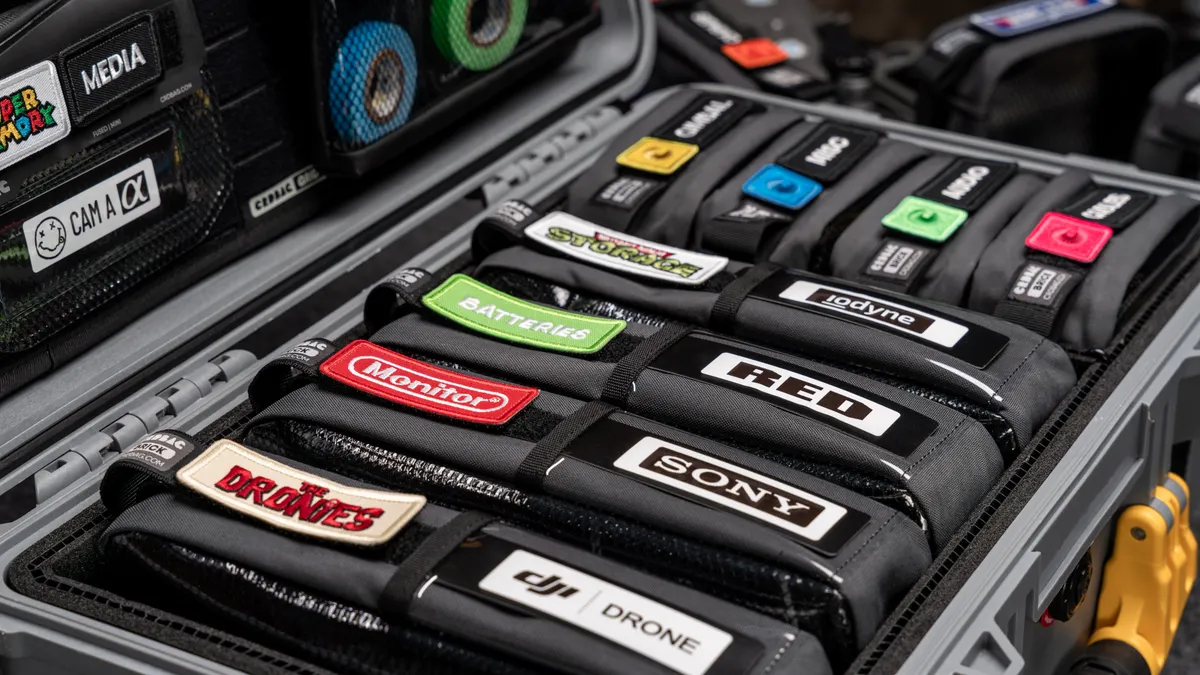
This applies to freelancers who depend on movable equipment: a photographer with camera bodies and lenses, a videographer with lighting kits, a designer who carries a laptop and tablet, a tradesperson with tools in a truck, or a consultant who works from cafés and client sites. It assumes you already know the gear matters to your income and that you want to understand how coverage works, not whether to build a full insurance stack.
This is information, not financial advice. Insurance terms, deductibles, exclusions, and limits vary by country, insurer, and policy form, so a qualified adviser or licensed broker should review your own situation before you bind coverage. The name “inland marine” sounds old-fashioned because it is. It dates back to property that moved over land, not water, and the modern version still centers on things that travel.
The key idea is simple: inland marine insurance is designed for portable property and off-premises coverage. That matters because a laptop in your studio closet is one problem; the same laptop in a rideshare, on a set, or in a checked bag is another. Many generic property policies are built around one location. Freelance work is not.
For a broader map of coverage types, see freelancer insurance coverage basics and business property insurance before you compare forms.
What inland marine insurance actually covers
Inland marine insurance usually covers scheduled equipment or other specifically described business property that is meant to move. “Scheduled equipment” means the policy lists the item, often by description, serial number, or value class, so the insurer knows exactly what is being insured.
That list can include camera equipment, laptops, external drives, audio recorders, drones in some cases, lighting kits, tripods, specialist tools, and other portable property used for business. The important point is not the object’s brand; it is the way the object is used. A $2,000 laptop used for freelance editing can be the kind of property this coverage is built to follow, while a desk, chair, and bookshelf usually are not the core focus.
It is also common for the policy to respond when gear is outside the home, studio, or workshop. That can mean a job site, a client office, a vehicle parked between stops, or a hotel room during a trip, depending on the policy wording. Some forms include theft, accidental damage, fire, or loss while in transit. Others narrow the list or add conditions, such as requiring signs of forced entry or proof of ownership.
What it does not automatically do is cover every business loss. Inland marine insurance is not the same as liability insurance, which addresses claims that you caused harm to someone else. It is also not a promise that gear is covered in every location, under every circumstance, or for every cause of loss. The exclusions matter as much as the headline. For a fuller comparison, see liability insurance and commercial property coverage.
How inland marine insurance works for freelance equipment
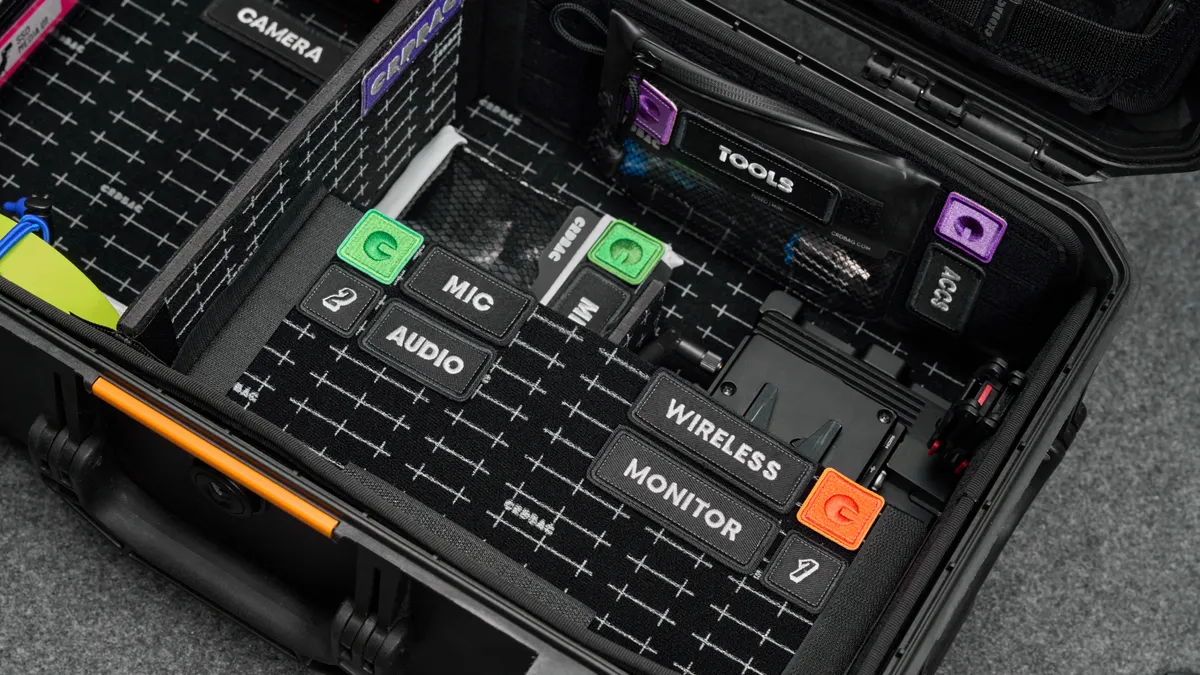
Inland marine insurance works by attaching coverage to the property itself rather than to one fixed address. The policyholder names the equipment or the class of equipment, chooses limits, and accepts a deductible. A deductible is the amount the insured pays before the policy responds to a covered claim.
The practical steps are straightforward:
- List every item that travels for work. Write down the exact model, serial number, and replacement cost for each item, especially camera bodies, lenses, laptops, tablets, microphones, and tools. Verify that the list matches what you actually carry. If an item is missing from the schedule, that is a coverage gap.
- Separate business gear from personal gear. Mark which items are used mainly for freelance work and which are personal. Verify the business-use items are the ones being proposed for coverage. A mixed-use laptop or camera bag can create a dispute if the policy assumes only business property.
- Decide whether you need blanket or scheduled coverage. A blanket approach covers a class of items up to a total limit; scheduled coverage names each piece. Verify which structure the insurer is offering. If you own one expensive camera body and several smaller accessories, a scheduled form may track the risk differently than a blanket limit.
- Check where the gear is covered. Read the territory language and off-premises wording. Verify whether it follows the equipment in a vehicle, at a temporary client site, or during travel. If the policy only works within a narrow area, that is a problem for freelancers who move across town or across borders.
- Look at the per-item or per-occurrence limit. Some policies cap what they pay for a single item or for one claim event. Verify the cap is high enough for your largest loss scenario. If one lens or laptop exceeds the cap, the policy can leave a major gap even if the total limit looks generous.
- Check the causes of loss listed in the form. Theft, accidental breakage, fire, and water damage are common examples, but not universal. Verify the policy names the perils you care about. If there is no clear wording for accidental damage, you should assume that situation is not automatically covered.
- Ask how claims are valued. Policies may use actual cash value or replacement cost language. Verify which valuation method applies. If depreciation is built in, a 3-year-old laptop may be reimbursed differently than a new one, which matters when you rely on quick replacement to keep working.
- Keep proof of ownership and use. Save receipts, serial numbers, and photos of the gear in one place. Verify you can produce them quickly after a loss. If you cannot show that the equipment existed, belonged to the business, and was scheduled, the claim can stall.
A clean setup usually takes less than an afternoon once the inventory exists, but the inventory itself is the real work. The policy is only as good as the schedule you build.
What it is often confused with
Inland marine insurance is often confused with business property insurance, renters insurance, or general commercial package coverage. Those policies can help in some situations, but they are not interchangeable.
Business property insurance usually centers on property at a declared location, such as a studio or office. If your freelance work lives mostly in one room and never leaves that room, the distinction may feel small. As soon as the gear leaves the location, the gap appears. A camera bag taken to a wedding venue or a laptop taken to a co-working space is not a typical “fixed premises” story.
Renters insurance may protect personal belongings inside the home, but business use is often limited or excluded unless you add an endorsement or separate business coverage. A homeowner or renter policy also tends to be built around personal property, not professional gear used to earn income. That matters when the item is a tool of trade, not just a possession.
It is also confused with liability coverage because both are business insurance. They do different jobs. Inland marine insurance is about the gear itself. Liability is about claims from other people. If a freelancer drops a light stand and cracks a client’s floor, the property damage issue is not the same as the damaged light stand itself.
The cleanest way to think about it is this: inland marine insurance follows movable business equipment; a location-based property policy protects a place. Freelance life is usually about movement, not a single address.
When inland marine insurance is the wrong tool
Inland marine insurance is not the right answer in every freelance setup, and pretending otherwise leads to underinsurance or duplicate coverage.
Your equipment never leaves one insured location: If the gear stays in a fixed studio and is already covered under a property policy, an inland marine form may add little value — you may be paying for mobility you do not use.
Your main risk is damage you cause to others: If the real worry is a client’s property, a passerby, or a rented venue, this coverage does not solve that exposure — liability coverage is the separate issue.
The item is cheap to replace and easy to self-fund: If a tool costs less than a deductible you would realistically accept, the policy may not be efficient — a small loss can become a paperwork exercise.
The gear is shared, leased, or borrowed and the policy does not allow it: Some forms are narrow about ownership and insurable interest — you may need a different arrangement, especially if the equipment is rented for a shoot.
You travel internationally and the policy territory is unclear: If the wording stops at a domestic boundary or excludes certain countries, the coverage may fail where you need it most — get the territory language reviewed before you rely on it.
You cannot document what you own: If there are no receipts, serial numbers, or photos, claims handling can become slow or disputed — do the inventory first, then talk limits.
These are not reasons to avoid the product forever. They are signs that the policy form, the limit, or the schedule needs rethinking before you buy.
The mistakes freelancers make with portable property coverage
Freelancers usually make the same few mistakes with inland marine insurance, and each one has a cost.
-
They insure the bag but not the contents. A nice camera backpack is not the same as the gear inside it. The consequence is a clean-looking policy that leaves the expensive part exposed. The fix is to schedule the actual equipment or confirm the class description truly includes it.
-
They understate replacement values. People often guess low to keep premiums down. The consequence is a limit that looks fine on paper and fails at claim time. The alternative is to price each item realistically and revisit the list when gear changes.
-
They assume off-premises means everywhere. It does not. The consequence is a denial or a partial payment when the loss happens in a vehicle, at a hotel, or at a temporary job site. The alternative is to check the territory, transit, and unattended-vehicle wording.
-
They forget accessories and small gear. Memory cards, microphones, hard cases, batteries, and adapters add up fast. The consequence is death by a thousand missing items. The alternative is to inventory everything in one pass, even the pieces under $100.
-
They keep no proof of ownership. Without receipts or serial numbers, the claim process can slow down. The consequence is delay when work is already interrupted. The alternative is a digital folder with receipts, photos, and model numbers.
-
They choose a policy before comparing exclusions. The consequence is surprise when theft from a vehicle, mysterious disappearance, or water damage is treated differently than expected. Consult a licensed insurance professional and review the policy wording before buying. Check a source such as the Insurance Information Institute or your insurer’s form. The alternative is to read the exclusions first and only then compare price and limits.
The common thread is simple: this coverage works best when the schedule is accurate and the wording is read as if a claim might happen tomorrow.
How do you know if you need this for freelance work?
You need to look closely at inland marine insurance if your income depends on gear that moves, and the answer often turns on two questions: how often the equipment leaves home, and how expensive it is to replace quickly.
If you carry a laptop to client sites, tote camera equipment to shoots, or haul tools in transit from job to job, this coverage is built for that pattern. If your work is mostly stationary and the equipment lives in one protected room, the benefit may be thinner. If a single item would be hard to replace without missing work for several days, the policy can be worth reviewing even when the total gear pile is modest.
The wrong way to decide is to ask only whether the gear is “insured somewhere.” The better question is whether it is insured in the places you actually use it: curbside loading zones, rideshares, hotel rooms, studio corners, and temporary job sites. A freelancer’s risk is often mobility plus interruption, not just ownership.
That is why inland marine insurance sits so often beside other freelancer coverage types rather than replacing them. It fills the portable-property gap. It does not replace a careful inventory, and it does not solve every business loss. But for movable equipment, it is the part of the policy conversation that many generic property pages skip. For related planning, see freelance equipment coverage and small business insurance.
What a solid setup looks like before you apply
A solid setup usually has one inventory sheet, one folder of receipts, and one clear picture of where the gear goes in a normal week. That may sound basic, but it is the difference between a useful policy and vague comfort.
Before applying, make sure the list includes the most expensive items first, then the accessories that travel with them. Check whether the insurer wants itemized scheduling or a blanket limit. Confirm whether the policy treats business use differently from personal use, and ask a licensed insurance professional if the wording is unclear. Read the sections on theft, accidental damage, and unattended property, because those are the clauses that often matter most in freelance life.
If your kit is evolving fast, review the schedule at least once a year or after any major purchase. A new camera body, a replacement laptop, or a tool upgrade can move the limit from adequate to short without warning. If the policy still reflects last year’s kit, it is already stale.
What does inland marine insurance cover?
Inland marine insurance can cover portable business property such as camera equipment, laptops, tools, and other scheduled items, depending on the policy wording. It is designed to protect gear that moves away from a fixed location, so the exact covered causes of loss, limits, and exclusions can vary. Read the schedule and the exclusions before assuming a specific item is included.
Is it for equipment in transit only?
No, inland marine insurance is not limited to transit only. It often covers off-premises equipment as well, which can include gear at a client site, in a vehicle, or in temporary storage, depending on the policy. Transit is only one part of the risk. The wording should tell you whether stationary use away from home is included.
Do freelancers need it for laptops and gear?
Freelancers often consider it for laptops and gear when those items are business-critical and move frequently. It is especially relevant when a standard property policy does not clearly cover off-site use or business equipment.
Drafted with AI; not yet reviewed by a person.