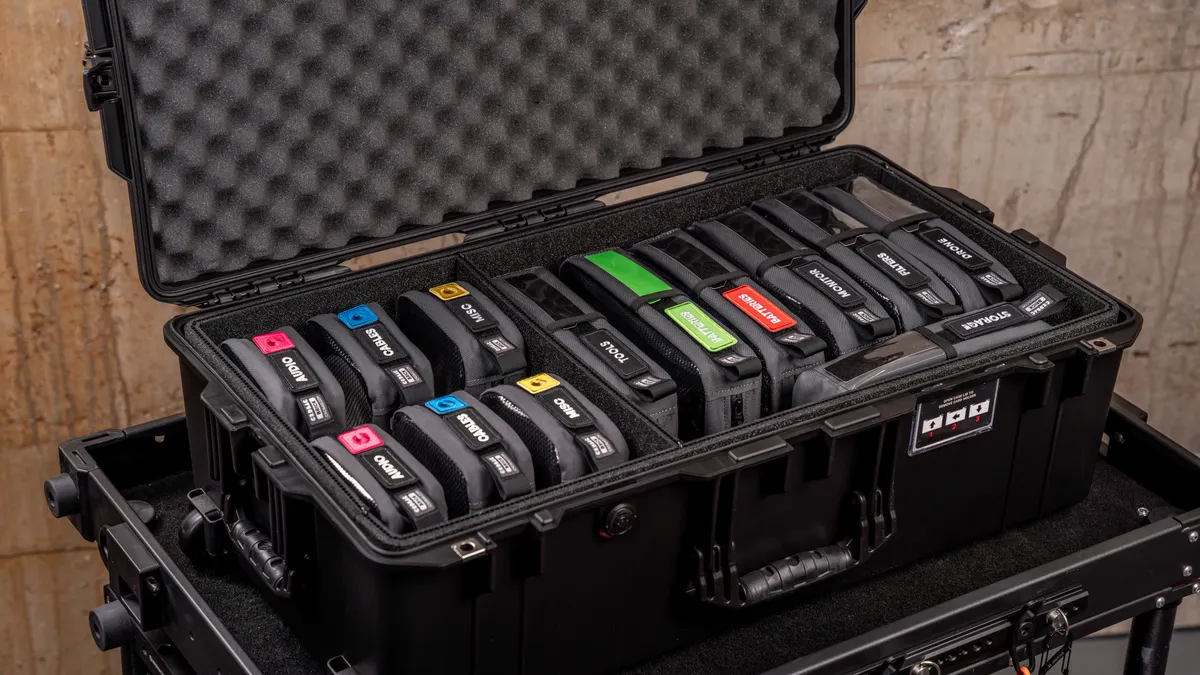
Last updated: October 20, 2026
Yes—if your freelance work depends on portable gear that leaves your home, an equipment floater insurance policy can fill the gap that a basic property policy often leaves open. Quick answer: if your work gear moves off-site, a floater can be worth quoting for items that may cost $5,000 or more to replace. This guide explains when that coverage matters, how scheduled equipment works, and when a freelancer may not need it.
Key takeaways
- Portable work gear is the reason this coverage exists.
- A floater matters most when equipment travels, sits in a car, or is used off-site.
- Scheduling items by name can matter more than guessing what a home policy might cover.
- Theft and accidental damage are common triggers, but exclusions still matter.
- This is information, not financial advice; a qualified adviser should help with your own situation.
I’m using “equipment floater insurance” in the practical sense most freelancers mean: coverage for named, movable tools used for work, such as camera gear, laptops, and audio equipment. This is money-related coverage, so I’m not giving personal financial advice. Policies, limits, deductibles, and exclusions vary by country and by insurer, so a qualified adviser or licensed broker should review your situation if the numbers matter to your business.
Who this is for, and who should think differently
This applies to freelancers whose income depends on gear that can be packed in a bag, carried into a client site, or used in a car, studio, or coworking space. That includes a wedding photographer with a mirrorless body and two lenses, a podcast editor carrying a MacBook Pro and interface, a videographer with lights and microphones, and a designer who travels with a laptop and tablet. If the equipment is mobile and expensive to replace quickly, the question is not abstract.
The core issue is exposure. A home policy may cover some personal property, but business-use equipment often sits in a gray area, and off-site loss is where gaps show up. A floater is designed to follow the gear, not the room. That is why the term “scheduled equipment” comes up so often: each item is listed, usually by description and value, instead of being left in a generic pile of contents.
This is not for every freelancer. If your work needs only a low-cost laptop and a pair of headphones, and losing them would be inconvenient rather than business-threatening, a floater may be more protection than you need. If your gear stays permanently in one place, the problem may be different and belong on another page. The same is true if you are trying to compare broader business policies; this guide is only about whether equipment floater insurance fits a portable-gear problem.
A practical way to think about it is simple: if the equipment can be dropped, stolen, damaged in transit, or left in a ride-share trunk, then the question is worth asking. For a broader map of freelance coverage types, the hub on freelancer insurance coverage basics is the right starting point.
What equipment floater insurance actually does
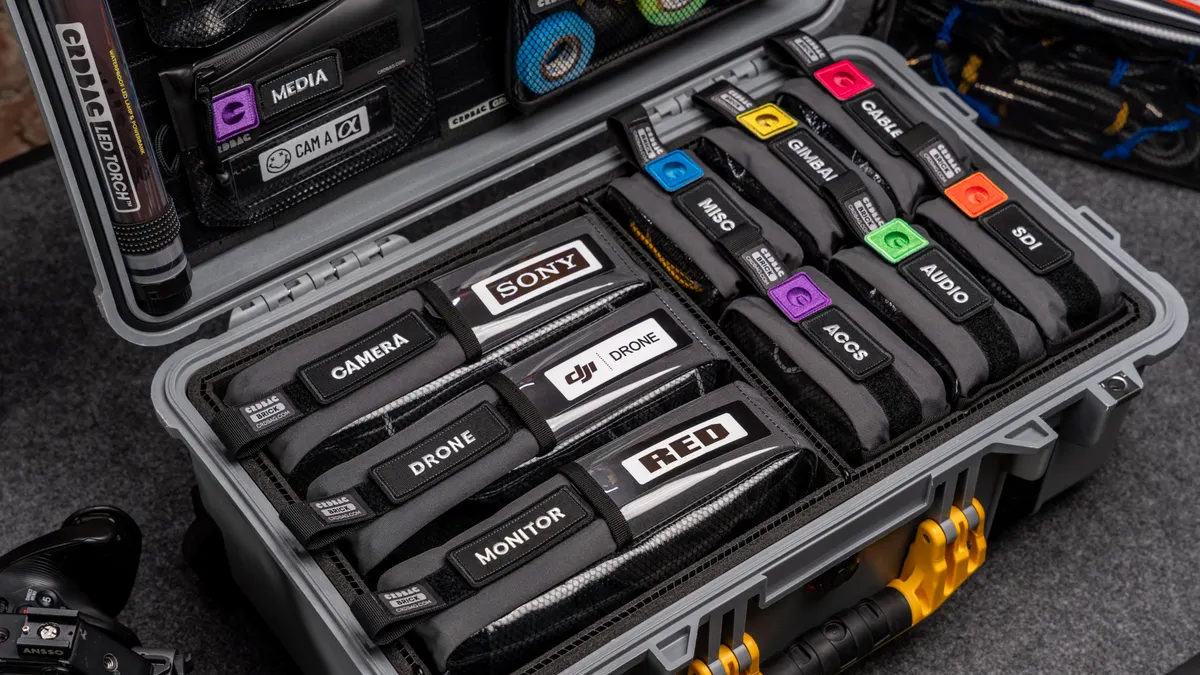
An equipment floater insurance policy is built to cover individual pieces of gear rather than a room full of contents. In plain language, it is a way to insure work equipment that moves. The policy is usually tied to a schedule, which is a list of specific items—such as a camera body, lenses, a laptop, a recorder, or lighting equipment—identified by model, serial number, or description and value.
The important feature is not the label but the scope. A floater is often used when gear leaves the insured premises, which means it can respond to off-site loss in a way a standard contents policy may not. That matters for freelancers who work in shared studios, on client sites, in airports, in hotels, or in vehicles. It also matters for someone who checks gear into a venue or sets it down in a public place for a few minutes.
Think of the policy as a list-plus-conditions structure. The list is the schedule. The conditions tell you when a claim may be paid, what counts as covered damage, what theft proof is required, and what exclusions apply. For example, some policies treat accidental breakage differently from mysterious disappearance, so a freelancer should consult a professional and review the policy wording. Others require evidence of forced entry for theft from a vehicle. Those details matter more than the word “floater” on the brochure.
What it usually does not do is solve every problem around gear. Wear and tear, gradual deterioration, and breakdown from age are commonly excluded in this class of coverage. So are some forms of unexplained loss, negligent storage, or electronic failure unrelated to a covered event. A freelancer who assumes “covered everywhere” can get a rude surprise at claim time.
For the technical side, a useful reference point is the Insurance Information Institute’s explanation of inland marine insurance and scheduled property, and the National Association of Insurance Commissioners’ consumer guidance on property and casualty coverage. Those terms are worth understanding because the policy form often shapes what is covered more than the marketing name does.
How to decide whether your gear needs a floater
A freelancer can decide this by tracing where the equipment goes, what it costs to replace, and what kind of loss would interrupt paid work. Start with the gear that actually earns money: camera gear, laptops, audio equipment, lights, and accessories that must be available on schedule. Then compare that list to where each item lives during a normal month.
- List every work item you carry off-site. Write down each piece by category, model, and serial number if available, including a laptop, camera body, lens, audio recorder, microphone, tablet, or interface. Verify that the item is used for paid work and travels at least once a month. If you cannot identify the item clearly, the schedule will be hard to build and the policy may be hard to claim on.
- Separate portable gear from stationary gear. Mark what stays at a desk and what goes into a bag, case, or vehicle. Verify whether the item leaves the premises weekly, monthly, or only for special jobs. If the line is blurry, the risk profile is blurry too, and that often means the coverage decision is being made on guesswork.
- Estimate replacement cost item by item. Use current replacement pricing for each scheduled item, not the original purchase price if the gear has changed models. Verify whether the figure reflects a like-for-like replacement in the same class, such as a current mirrorless body or a comparable laptop. If the number is too low, the schedule may understate the amount needed after a loss.
- Check where the gear is exposed. Note whether it is used in studios, client offices, airports, rideshares, hotels, or parked vehicles. Verify whether the policy wording mentions off-premises use, transit, unattended vehicles, or theft from temporary locations. If those uses are not described or are excluded, the floater may not solve the main risk.
- Read the theft language carefully. Look for requirements such as locked storage, visible signs of forced entry, or time limits for reporting theft. Verify what counts as proof and whether theft from a car is limited to certain hours or conditions. If the conditions are too narrow for your work pattern, the policy can fail exactly where you need it.
- Check accidental damage terms. Find out whether drops, spills, cracked screens, and transit damage are covered. Verify whether the policy distinguishes accidental damage from mechanical breakdown or normal wear. If the wording only covers named perils and not accidental breakage, the gear you worry about most may be outside the protection.
- Match the deductible to the gear value. A deductible is the amount you absorb before the policy pays. Verify that the deductible makes sense relative to the replacement cost of the item or the whole schedule. If the deductible is close to the likely claim size, the policy may exist in theory but do little in practice.
- Confirm whether shared or rented gear is included. Ask how borrowed camera gear, rented audio equipment, or temporary loaners are treated, and consult a professional if the policy wording is unclear. Verify whether they must be specifically scheduled or separately insured. If the policy only covers owned items, a frequent rental habit can leave a real gap. See the NAIC’s consumer guidance before you assume the answer.
The point of this exercise is not to force a yes or no from a brochure. It is to see whether the gear’s movement, value, and exposure justify floating coverage. A freelancer with one laptop and a modest desk setup may decide the answer is no. A freelancer carrying $5,000 of camera gear across job sites may decide the answer is yes after one serious read-through of the wording.
What to check before you ask for a quote
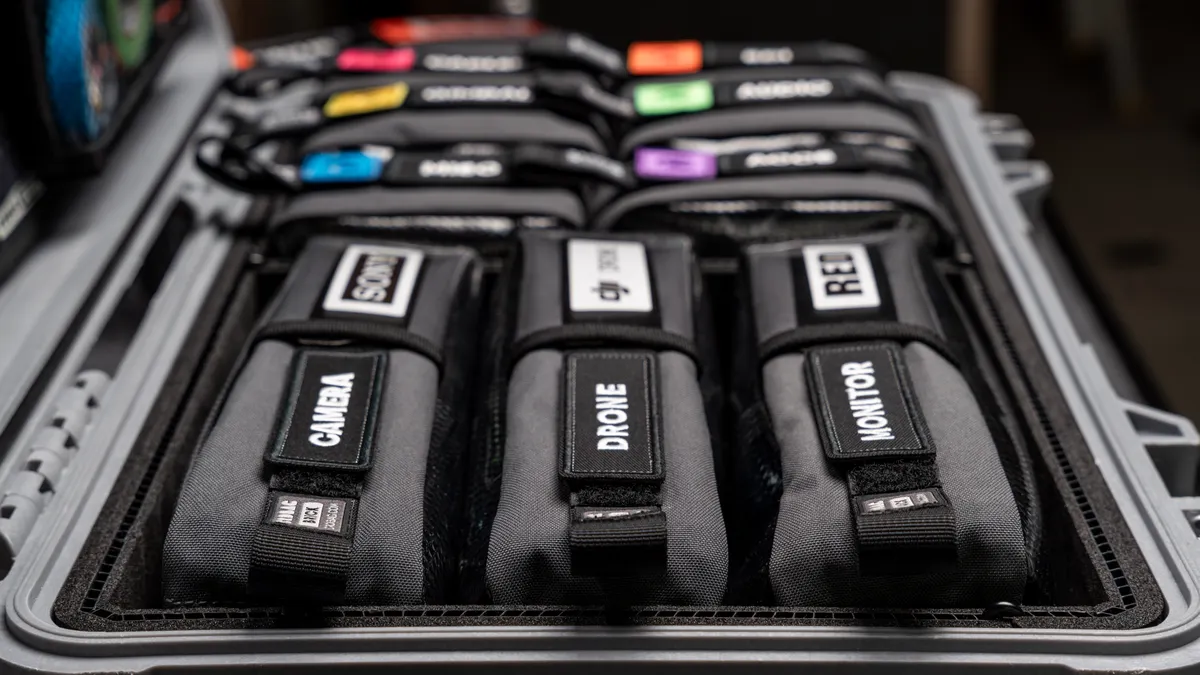
You should check the policy language, not just the category name, because the same phrase can hide different rules. Two policies can both be called equipment floater insurance and still respond differently to off-site theft, unattended vehicles, and accidental breakage. That is why the schedule, exclusions, and definitions matter more than the headline.
First, look at how the insurer defines the property. Some forms are broad enough to include laptops, camera gear, and audio equipment by class; others want each item itemized. Second, look at the territory. A freelancer who works across a city may need different treatment than someone who flies with gear across borders, so consult a professional if your route crosses regions or countries. Third, check whether there are usage limits tied to business-only use, because mixing personal and work use can complicate a claim.
You should also confirm how the policy handles proof of ownership. Serial numbers, receipts, and photos are common records to keep. If the item is scheduled, the insurer may expect you to prove that the exact gear existed and was in your possession. That expectation is not a nuisance; it is part of how a named-items policy works. Missing records can slow a claim and may weaken it.
One more check matters for freelancers who upgrade often: replacement vs. actual value. Some policies pay based on replacement cost, while others use a depreciated figure. The difference can be substantial, and the policy wording is where it lives. If you are unsure, ask for the exact term in writing and keep it with your records.
If your work depends on quick turnaround, also ask about claim timing and repair options. A policy that pays eventually but leaves you waiting too long can still disrupt income. That is especially true for tools with short production cycles, like a laptop used for editing or audio equipment needed for client delivery.
When equipment floater insurance is the wrong tool
Equipment floater insurance is the wrong tool when the gear is cheap enough to self-replace without strain, when it rarely leaves one location, or when the policy exclusions wipe out the protection you think you are buying. In those cases, a freelancer may spend time and money on paperwork without getting meaningful coverage.
Your gear almost never leaves one fixed room: This means the main risk is local contents loss, not mobile equipment loss — review whether a different property form addresses that setup more directly.
The deductible is close to the item value: This means a small claim may not be worth filing — a policy with a high deductible can leave you paying most of the loss yourself.
You cannot document ownership or serial numbers: This means claim support will be weak — gather receipts, model numbers, and photos before any loss occurs.
The policy excludes the kind of loss you actually fear: This means theft from a vehicle, accidental drops, or unattended off-site use may not be covered — do not assume the brochure overrides the exclusions page.
Your equipment is old enough that replacement would be based on reduced value: This means the payout may be lower than the new-item price — ask how valuation works before you rely on the number.
You are trying to protect a business model, not a device: This means the real issue may be income interruption or broader business continuity — a floater is not designed to replace those protections.
A common mistake is to treat “portable” as automatically “covered anywhere.” Another is to assume that a home policy’s contents section follows business gear into a client site. Both assumptions can fail, so a professional review and a source check are wise before you rely on either. A careful read of the schedule, exclusions, and valuation terms usually tells the truth faster than the sales page.
The mistakes freelancers make with scheduled equipment
The most common mistake is under-scheduling the gear by value or by item count. That happens when a freelancer lists a camera body but leaves out the lens, battery grip, microphone, or interface that makes the kit usable. The consequence is partial replacement after a loss. The correct alternative is to schedule the full working set, item by item, at current replacement value.
A second mistake is ignoring transit exposure. People think theft happens only at home, so they do not check whether the policy treats a hotel room, a trunk, or a loading dock differently. The consequence is a denied or narrowed claim when the equipment was exactly where the work required it to be. The correct alternative is to ask specifically about off-site coverage and unattended vehicle rules.
A third mistake is failing to keep records. Without receipts, serial numbers, and photos, a claim can stall while the insurer verifies ownership. The consequence is delay, and delay can matter when the gear is needed for client work next week. The correct alternative is to keep a simple inventory file that includes model, serial number, purchase date, and replacement cost.
A fourth mistake is confusing accidental damage with wear and tear. A cracked screen from a drop may be covered; a hinge that fails from age may not be. The consequence is disappointment at the claim stage. The correct alternative is to ask where the policy draws the line between sudden damage and gradual deterioration.
A fifth mistake is over-insuring small, replaceable items while missing the expensive ones. Cables, adapters, and cases are easy to list, but they rarely drive the financial harm. The consequence is paying for paperwork that does not match the real exposure. The correct alternative is to build the schedule around the items that would stop work if they disappeared for 48 hours.
For source checking, the Insurance Information Institute and the NAIC are useful places to verify terminology before you sign anything. That is especially true if the policy uses “inland marine” language for movable business property.
When the standard guidance changes
The standard answer changes when the gear moves across borders, is shared among multiple freelancers, or is used in unusually harsh conditions. A freelancer who flies internationally may face different territory limits, customs issues, or reporting rules than someone who works within one city.
Drafted with AI; not yet reviewed by a person.