

Last updated: November 19, 2026
Quick answer: Freelancers usually track insurance renewal deadlines with one calendar per policy, at least three reminders, and a payment check 7 days before expiry.
Freelancers track insurance renewal deadlines by building one renewal calendar from the policy declaration page and the renewal notice, then pairing that calendar with reminders and a payment method that will not fail on the due date. The goal is continuous coverage, not a last-minute scramble.
This is information, not financial advice; insurance terms, tax treatment, and payment rules vary by country and change often, so a qualified adviser or licensed broker should help with your own situation. See the FCA’s insurance guidance and your insurer’s renewal notice for the exact rules that apply to you. https://www.fca.org.uk/consumers/insurance and https://www.legislation.gov.uk/ukpga/2015/4/section/64
Who this applies to, and what you need in hand
This applies to freelancers who already have an active policy and need to avoid a gap at renewal. It assumes you can find the policy declaration page, the insurer’s renewal notice, and the date your current term ends. If a broker manages the policy, it also assumes you know the broker’s contact details and how renewals are sent.
The method works for most personal and business policies because renewal deadlines are administrative, not mysterious. What matters is one date: the last day of the current policy term. From that date, everything else is a backward plan. A 30-day reminder, a 14-day review, and a 7-day payment check are common planning points, but the exact timing should match the notice you receive and the insurer’s own process.
This is not the right approach if the policy has already lapsed, if a renewal notice says coverage will end unless action is taken by a fixed date, or if the insurer asks for documents you cannot verify quickly. In those cases, the risk is a coverage gap, which can affect claims handling and proof of continuous coverage. That is the point where a broker or other qualified professional should step in.
The job here is simple: keep the renewal date visible, review the notice before the due date, and make sure payment and paperwork are ready. A freelancer who treats renewal as a monthly admin task, not a yearly surprise, usually has fewer problems. A licensed broker or adviser can help if the policy wording is unclear.
How do freelancers track insurance renewal deadlines?
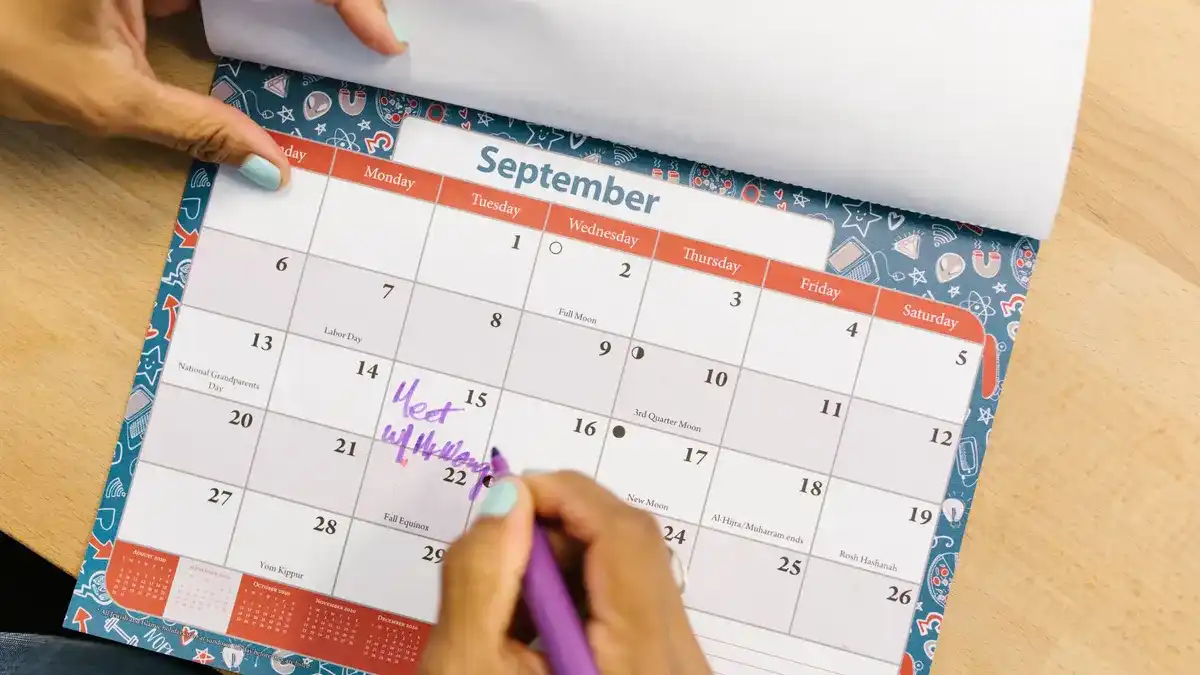
Freelancers track insurance renewal deadlines with a dated system that combines a master renewal calendar, reminders, and a paper trail for each policy. In practice, the safest setup is usually one place for dates, one place for documents, and one place for payments.
A reliable workflow starts with the policy declaration page. That page names the policy number, the insured period, the effective date, and the expiry date. It is the cleanest source for the renewal deadline because it is tied to the actual contract term. A renewal notice then gives the insurer’s current instructions, including any change to premium, payment method, or required response.
Use at least two reminder layers. Put the expiry date in a digital calendar and set alerts for 30 days before, 14 days before, and 7 days before. Then store a second reminder in a task app or notebook in case a phone calendar syncs badly. If the policy is paid by card or direct debit, check the payment method 7 days before renewal so a declined card does not create a late payment problem.
A broker changes the process slightly. Some brokers send the renewal notice first and the insurer sends only the policy change documents. In that case, keep the broker’s email and phone number with the renewal record, because the answer to “what happens next?” may depend on whether the broker or insurer is the point of contact. See the FCA’s guidance on broker relationships and the insurer’s renewal notice for the contact route that applies. https://www.fca.org.uk/consumers/insurance
The main drawback of a digital-only system is that email can get buried, filtered, or ignored. The main drawback of paper-only tracking is that a single desk drawer does not remind you on day 30. A mixed system is less elegant, but it works better.
The renewal calendar that keeps coverage continuous
A renewal calendar keeps continuous coverage by turning one expiry date into a sequence of smaller actions. A freelancer who waits for the final day is depending on memory, which is exactly what fails when the invoice backlog is high or travel interrupts the month.
Start with the policy expiration date from the declaration page. Then work backward. At 30 days out, your calendar should trigger a document check. At 14 days, it should trigger a review of the renewal notice and any coverage changes. At 7 days, it should trigger a payment-method check. On the expiry date, it should trigger a final confirmation that payment cleared and the next term is active.
That calendar should include the insurer name, policy number, broker name if there is one, renewal date, payment method, and where the renewal notice is stored. A simple spreadsheet works if it has fixed columns. A calendar app works if the event titles are specific enough to recognize at a glance, such as “Policy renewal — insurer name — expires 12 May.” What does not work well is a vague note like “insurance” with no date.
A good renewal calendar also records the answer to one question: was the policy auto-renewed or did it need action? Auto-renewal means the insurer may continue coverage automatically if payment succeeds and no cancellation notice is issued. That does not mean you can ignore the renewal. It means you still need to confirm the terms and the payment method before the term ends. The UK’s Consumer Rights Act and the insurer’s own terms can affect what happens next, so the notice and policy wording control. https://www.legislation.gov.uk/ukpga/2015/4/section/64
For a freelancer with several policies, keep separate entries rather than one shared reminder. A liability policy, a health-related policy, and a vehicle policy can renew on different dates and with different notice periods. The point is not volume. The point is no missed deadline.
What to check on the renewal notice before the due date

The renewal notice tells you whether the next term is routine or needs action. Read it line by line, because the most expensive mistake is assuming nothing changed.
Check the renewal date first. Then check whether the insurer is renewing automatically, requesting a response, or waiting for updated details. Some notices include a deadline for accepting the renewal terms; others assume acceptance unless you cancel or amend the policy by a stated date. The timing can differ by insurer and policy type, so the notice controls.
Next, check the policy declaration page against the new notice. Look for changes to the insured name, business activity description, address, limits, deductibles, and endorsements. An endorsement is a written change to the policy terms. If the notice shows a new address or different business description, that is not a cosmetic issue; it can affect what the insurer thinks is covered.
Then verify the payment method. If the renewal relies on a card, check the expiry date and available limit. If it uses direct debit, confirm the bank account is still active. A failed payment can create a late payment problem even when the renewal date was in your calendar. If the insurer allows several payment methods, follow the notice, not memory.
Keep a copy of the notice with the declaration page. If you later need proof of continuous coverage, the notice and payment confirmation are part of the record. A freelancer who keeps only the email subject line has a weak file.
For tax or legal questions connected to proof of coverage, a local adviser should confirm what your jurisdiction requires. A renewal notice is not a substitute for legal or accounting advice. See your tax authority or accountant for the recordkeeping rules that apply to your situation.
The step-by-step system I would use for renewal tracking
Use one system for every policy and repeat it the same way each year. That kind of consistency helps prevent missed dates.
- Pull the policy declaration page and renewal notice into one folder. Save them as PDFs with the policy number and renewal year in the filename. Verify the expiry date, policy number, and named insurer. If either document is missing or unreadable, the renewal process is already behind.
- Enter the expiry date into a master renewal calendar. Use one calendar event per policy and add alerts at 30 days, 14 days, 7 days, and 1 day before expiry. Verify that the alerts fire on the correct date and time. If an alert lands on the wrong day because of time zone settings, fix it immediately.
- Record the broker or insurer contact details next to the date. Add the email address, phone number, and portal login path if there is one. Verify that you can still access the portal before the final week. If the login fails, reset it early rather than on the eve of renewal.
- Review the renewal notice against the prior policy terms. Compare the new premium request, coverage wording, deductibles, and any endorsements to the last declaration page. Verify that the business description still matches what you actually do. If the description is outdated, the policy may not match the work you now perform.
- Check the payment method at least 7 days before renewal. Confirm the card expiry date, bank account status, or direct debit authorisation. Verify that the method can cover the charge. If the payment source is stale, update it before the insurer attempts collection.
- Confirm whether auto-renewal is on or off. Look for language about automatic renewal, cancellation, or acceptance by payment. Verify the exact deadline for any opt-out or change request. If the notice is unclear, ask the insurer or broker in writing.
- Store proof of payment and renewal confirmation. Save the receipt, confirmation email, or updated declaration page in the same folder. Verify that the new effective dates start immediately after the old term ends. If there is any gap between terms, ask why before the old policy expires.
- Set the next-year reminder the same day the renewal is completed. Create the next expiry entry before closing the folder. Verify that the new date sits 12 months ahead, or whatever term the policy uses. If you wait until next year to reset the reminder, you have already weakened the system.
This process is plain, but it is the difference between continuous coverage and a missed deadline.
What happens if the renewal is late or the policy lapses?
A late renewal can mean a missed payment, a temporary lapse, or a full break in coverage, and those are not the same thing. The exact result depends on the policy wording, the insurer’s grace period if one exists, and the rules in your country.
The first consequence is administrative delay. The insurer may suspend normal renewal, request a fresh payment, or require reactivation through a portal. The second is coverage risk. If the policy ends before the next term starts, there may be a gap in proof of continuous coverage. For some freelancers, that matters because clients, landlords, lenders, or regulators may ask for current evidence.
Late payment can also create a record problem. If you need to show that a policy was in force on a specific date, the renewal documents and payment record matter. Without them, proving continuity becomes harder.
A careful response is not to assume the insurer will sort it out automatically. Check the notice, check the payment trail, and contact the insurer or broker as soon as the deadline is missed. If the renewal has already lapsed, ask exactly what the reinstatement rules are and whether any backdating is possible under the policy terms. Do not assume a grace period exists unless the notice or policy says so.
When the standard approach does not apply
The standard calendar-and-reminder setup does not fit every situation, and pretending it does is how gaps happen.
Multiple policies renew on different dates: This means one annual reminder is not enough — use one calendar entry per policy, each with its own 30-day and 7-day alerts.
A broker handles renewals: This means the insurer may not be the only contact you need — keep the broker’s email, phone number, and portal details beside the policy number.
The payment method changes mid-term: This means auto-renewal can fail quietly — update the card or bank information at least 7 days before expiry and confirm the change in writing if possible.
The renewal notice shows coverage changes: This means you are not dealing with a routine extension — read the new declaration page and ask the insurer or broker to explain the change before the due date.
You need proof of continuous coverage for a contract or regulator: This means saving the notice is not enough — keep the declaration page, renewal confirmation, and payment receipt together in one folder.
The policy is set to auto-renew but the insurer requests action: This means the system is not fully automatic — treat the notice as a deadline, not a background event.
A generic reminder app is the wrong tool if the policy has special instructions, short response windows, or multiple parties involved. In those cases, the process needs a document trail, not just an alert.
The mistakes freelancers make most often
The most common mistake is relying on memory. That fails when work gets busy, and the consequence is a missed renewal or a late payment. The better alternative is a fixed calendar with more than one alert.
Another mistake is storing the declaration page but not the renewal notice. The consequence is missing changes in premium, terms, or payment instructions. The better alternative is to save both documents in one folder, named by policy and year.
A third mistake is assuming auto-renewal means no action is needed. The consequence is a surprise charge to an expired card or an unwanted term change. The better alternative is to verify the payment method and read the notice even when the policy says it will renew automatically.
A fourth mistake is checking only the expiry date and not the payment method. The consequence is a renewal that never completes because the card failed or the bank details were stale. The better alternative is a 7-day payment check.
A fifth mistake is keeping renewal records scattered across email, a notes app, and a filing cabinet. The consequence is a weak audit trail when a claim or certificate question comes up. The better alternative is one renewal folder with the declaration page, notice, payment proof, and confirmation.
A sixth mistake is waiting until the last week to ask a broker or insurer a question. The consequence is rushed answers and less room to fix a problem. The better alternative is to raise questions at least 14 days before expiry.
For broader insurance buying decisions, the hub page on freelancer insurance buying decisions is the right place to start once renewal tracking is under control.
Key takeaways
- The date that matters most is the policy expiry date from the declaration page.
- A good renewal system uses calendar alerts, document storage, and a payment check together.
- Auto-renewal still needs review because payment failures and term changes can happen.
- Proof of continuous coverage depends on keeping the notice, confirmation, and payment record.
- If the policy has lapsed, contact the insurer or broker quickly and check the reinstatement rules.
Drafted with AI; not yet reviewed by a person.
