

Last updated: November 19, 2026
Quick Answer: Many freelancers need 1 to 4 approvals, depending on location and work type. A business license is the first thing many freelancers have to check because local rules often decide whether a freelance business is allowed to operate at a specific address, in a specific city, or in a specific profession. This guide explains when that matters, what types of licenses and permits commonly come up, and how to sort out the difference between a city clerk’s business license, a county permit, a home occupation permit, a state registration, and a professional license. This is information, not financial advice; a qualified adviser should be consulted for your own situation if the rules in your area are unclear.
Key Takeaways
- Freelancers may need a city business license, county permit, home occupation permit, or professional license.
- I check local licensing rules by matching the business address to the city, county, and state offices that regulate that address, then confirming whether the work itself is regulated.
- A home occupation permit is a local approval for a residence-based business under zoning rules, and it can matter even with no client visits.
- A professional license matters more than a business license when the law regulates the service itself, not just the act of doing business.
Who this applies to, and who needs a different answer
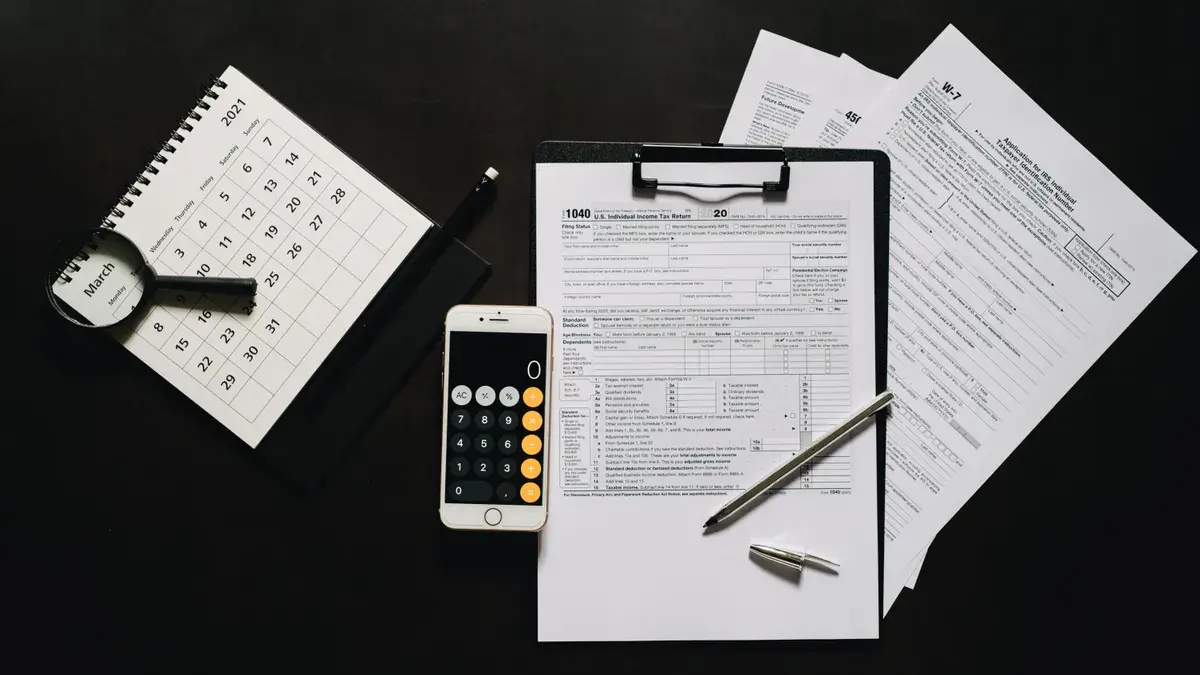
This applies to freelancers who work as sole proprietors, independent contractors, or one-person service businesses and need to know whether a business license, permit, or professional license is part of staying legitimate and insurable. It assumes you already know your trade, your working address, and whether you serve clients in person, online, or at their location. It also assumes you are not asking how to form a company or how to register a DBA, because those are separate issues.
The key question is not “Do freelancers need a license?” in the abstract. It is “What does my city, county, state, and profession require for the way I work?” A graphic designer working from a spare bedroom may face a home occupation permit and a city business license. A consultant who never meets clients at home may still need local registration. A bookkeeper or interior designer may need a professional license if the field is regulated in that state. A cleaner, photographer, tutor, or copywriter may or may not need anything beyond local registration, depending on location.
This matters for business legitimacy because many insurers, landlords, banks, and government agencies expect a business to be properly registered where it operates. A licensing rule can be triggered by the home address, the storefront, the county line, or the fact that the work is performed in a regulated profession. A freelancer who skips that check may not discover the gap until an application, permit review, or compliance question forces it.
It does not apply neatly to every case. If your work is tied to a regulated trade, involves a physical location open to the public, or crosses city or county boundaries, the local answer can change. In those cases, the right move is to check the local licensing office and the state board that oversees the profession before assuming a generic freelancer setup will fit.
What business licenses freelancers may need
Freelancers may need one or more of four things: a city business license, a county permit, a home occupation permit, or a professional license. In some places, a state-level registration also sits on top of those local requirements. For exact terms, check the local office and the SBA guide on licenses and permits. SBA licenses and permits overview
A city business license is usually issued by the city clerk or a business licensing office and covers the right to conduct business inside city limits. Some cities require it for almost every business, even a solo freelancer working from home. A county permit serves a similar role outside incorporated city boundaries or in counties that license business activity separately. A home occupation permit is different: it usually addresses land use and neighborhood rules for running a business from a residence, such as parking, signage, noise, or client visits. A professional license is a state or board-issued credential for regulated fields such as accounting, law, architecture, or licensed cosmetology; the exact list depends on the state and the profession.
A state registration is not always a license in the strict sense. Some states require businesses to register for tax or regulatory purposes even when the local city also has its own license. That can include a state tax registration number or a business filing with a state agency. The point is simple: local and state systems often overlap, and one approval does not cancel the need for another.
A generic article often gets this wrong by treating “business license” as one universal document. It is not. The form, the office, and the fee structure vary by place. One city may issue a general business tax certificate; another may ask for a business license application, zoning signoff, and proof of home occupation approval. If you work across city lines, you may need more than one local approval. If the rules are unclear, consult a local licensing professional or the issuing office before you apply; the U.S. Small Business Administration also recommends checking local requirements directly. SBA licenses and permits overview
The safest way to think about it is by layer: location first, then type of work, then profession. Start with the city clerk if you are inside city limits, then the county if you are outside city jurisdiction, then the state board if your profession is regulated. A freelancer who ignores that order can end up with the wrong permit for the right job.
How do I check local licensing rules?
I check local licensing rules by matching the business address to the city, county, and state offices that regulate that address and then confirming whether the work itself is regulated. That sounds simple, but the details matter because the same freelancer can fall under different rules depending on where the work is done.
Use this process in order:
- Write down the exact work address and jurisdiction. Note the street address, city limits, county, and ZIP code. Verify whether the address is inside a city boundary or only in an unincorporated county area. A mismatch here means you may check the wrong office and miss the real rule.
- Identify how the business operates. State whether you work from home, at a client site, in a rented office, or online only. Verify whether you meet clients at the location. If the answer changes the zoning or home occupation rules, you need that distinction in writing.
- Check the city clerk or city licensing office. Search the city’s business license page or call the licensing desk and ask whether a sole proprietor or freelancer needs a city business license. Verify the application name, office location, and whether a fee or annual renewal applies. If the office cannot tell you what applies to your address, that is a sign to escalate to zoning or planning staff.
- Check the county permit office if the address is outside city limits. Ask whether the county requires a county permit, business registration, or zoning clearance. Verify that the county rule applies to your parcel and not just to certain industries. A problem indicator is being told “the county handles it” without any permit type attached.
- Check for a home occupation permit if you work from home. Ask whether the permit is required for client visits, deliveries, equipment storage, or signage. Verify any conditions tied to parking, square footage, or visible business activity. If the permit forbids the way you actually work, the setup is a bad fit.
- Check the state board or licensing agency for your profession. Confirm whether your field requires a professional license, registration, exam, bond, or continuing education. Verify the exact title of the credential, because a business license and a professional license are not the same thing. A problem is assuming your local business license allows regulated work.
- Check state tax or business registration requirements. See whether the state requires a sales tax permit, employer account, or other registration even if you have no employees. Verify whether your service is exempt or taxable in your state. If the agency asks for a federal tax classification you do not have, stop and get proper guidance.
- Save the written result before you apply. Keep the page printout, email, or case number showing what the office told you on the date you asked. Verify the date and contact name. If guidance is verbal only, treat it as incomplete until you confirm it in writing; if needed, consult a qualified professional or the issuing office for written confirmation. The SBA also advises checking the relevant agency directly. SBA licenses and permits overview
This is the point where many freelancers discover the real issue: the license question is often a location question, not a revenue question. A freelancer with no storefront can still need a local license. A freelancer with a storefront may need zoning approval before the business license is even processed. For a broader view of how licensing ties into coverage, the hub on freelancer insurance coverage basics is the right next stop after the local rules are clear.
What counts as a home occupation permit, and why it matters
A home occupation permit is a local approval for running a business from a residence under zoning rules, and it often matters even when no one visits the home. The permit usually exists to limit nuisance issues such as traffic, signage, noise, storage, and the appearance of commercial activity in a residential area.
The detail that gets missed is that a home occupation permit is not just about whether you use a laptop at the kitchen table. Some cities care about how many clients come to the home in a week, whether you store inventory or equipment, whether there is exterior signage, and whether employees work there. A photographer who stores lighting gear in a garage may trigger different rules than a freelance editor who only works online. A massage therapist or stylist may face stricter conditions than a writer or developer because the business invites visitors.
This permit can affect legitimacy in a practical way. If the local zoning office says the business use is not allowed at that address, a city business license alone may not solve the problem. The city clerk may issue the license and still require zoning clearance first, or the license may be conditioned on the permit. That is why a freelancer should not treat “I work from home” as a minor detail. In local licensing, it can be the whole case. If the rules are unclear, consult the zoning office or a local licensing professional before you set up the business at home.
The best check is to read the home occupation rules for your exact municipality, not a nearby city with a similar name. One town may allow a home office with no client visits; another may allow one or two visitors but ban retail sales from the property. If your work model depends on frequent visitors, deliveries larger than ordinary mail, or visible signage, the permit conditions may make the home setup impractical.
When a professional license matters more than a business license
A professional license matters more than a business license when the law regulates the service itself, not just the act of doing business. In that case, a city license can let you operate locally, but it does not authorize the regulated work.
This is the most important split in the whole subject. A business license says the business can exist in that jurisdiction. A professional license says the person is qualified to perform a protected or regulated service. That distinction shows up in fields such as law, accounting, architecture, engineering, health-related services, real estate in some contexts, and licensed personal care services. The exact list changes by country and state, and it changes over time.
For freelancers, this means the question is not “Do I have a business license?” alone. It is also “Is my service something the state boards regulate?” A freelance accountant may need a state-issued credential or license before offering certain services. A freelance design consultant may not. A writer who calls themselves a consultant may avoid regulation, but that label does not protect someone who performs reserved professional services without the right credential.
The practical consequence is serious: if the profession is regulated and you work without the required license, a local business license does not fix the problem. Insurance applications may also ask whether the work is performed by a licensed professional, which is why business legitimacy and insurance forms are often linked. If the field is regulated, the license question comes before marketing, invoices, and client contracts. That is also why state board pages are more reliable than internet summaries.
For exact requirements, the best sources are the state licensing board for the profession and the city or county business office for the location. The SBA’s business license and permit overview is a useful federal starting point, but it does not replace local rules.
Common mistakes freelancers make with licenses
Freelancers make the same licensing mistakes again and again, and each one has a different cost.
Assuming one license covers everything: A city business license does not replace a professional license or a home occupation permit — the consequence is an incomplete setup that can fail a city review or a professional board check. The correct alternative is to verify each layer separately.
Checking the wrong address: A mailing address is not always the same as the business location — the consequence is applying to the wrong city or county and getting an approval that does not match where work is done. The correct alternative is to use the actual work address and confirm the jurisdiction line.
Ignoring home-based business rules: Many freelancers assume home work is exempt — the consequence is a zoning violation if the municipality limits signage, visitors, or commercial storage. The correct alternative is to ask for home occupation rules before taking clients at home.
Overlooking the state board: A freelancer may think a local clerk is the only office that matters — the consequence is practicing a regulated service without the right credential. The correct alternative is to check the state licensing board for the profession, not just the city.
Using old information from a friend or old webpage: Licensing rules change by city council, county ordinance, and state board update — the consequence is relying on a rule that no longer applies. The correct alternative is to confirm current instructions directly with the office that issues the permit.
Waiting until a client asks for proof: That can delay onboarding or insurance paperwork — the consequence is lost time and a scramble for documents. The correct alternative is to verify licensing before the first contract or invoice if your work is in a regulated area.
The hidden cost is usually delay, lost credibility, or having to pause work while you sort out the right permit. For a freelancer, that can be more damaging than the fee itself.
When the standard approach does not apply
The standard approach does not apply when your work crosses jurisdictions, changes location often, or falls into a regulated profession with extra rules. In those cases, the “check the city, then county, then state” method still helps, but it is not enough on its own.
You work in more than one city: Different cities can each require local registration — the consequence is duplicate licensing or separate renewals. The right move is to ask whether the city where you perform work, not just where you live, triggers a license.
You serve clients at their location only: The home occupation permit may not matter, but the business still may need a city or county license tied to your residence or principal office — the consequence is missing a local filing because you assumed mobile work is exempt. The right move is to check both the home base and the service area.
Your business is entirely online: Some jurisdictions still require a local license based on the business address, even if clients never visit. The consequence is assuming online work is automatically exempt. The right move is to confirm the address-based rule before you launch.
You work in a regulated profession: The business license may be the smallest requirement, not the main one. The consequence is thinking a general license authorizes professional services. The right move is to verify the state board rule for your exact title and service.
In short, the standard freelancer checklist works only when the local rules are ordinary. As soon as the work or address is unusual, the office that matters can change. A freelancer who works in two counties, for example, may need to compare both local rule sets before opening for business.
Drafted with AI; not yet reviewed by a person.
