

Last updated: November 27, 2026
Say that the freelance business is active, but the client pipeline is temporarily empty. For an insurance application, that usually means the work has not stopped; the revenue has. Explain the gap plainly, show how the business is still operating, and do not make it sound like the business is closed, hobby-only, or newly formed if that is not true.
This is information, not financial advice. Because insurance underwriting and money questions vary by country and by insurer, a qualified adviser should be consulted for the reader’s own situation.
Key takeaways
- An empty client list is not the same as a closed business.
- The underwriter wants a simple story: what the business does, why income is paused, and what proof still exists.
- Use facts the insurer can check, such as invoices, website records, contracts, email, or tax forms.
- Do not dress up the gap. A clear 3-sentence explanation is stronger than a long defense.
- The wrong framing can make the business look inactive, which can affect the application review.
What does “active but no current clients” mean?
It means the freelance business is still operating, even though there is no paid client work at the moment. On an insurance application, that usually points to an inactive-client-period business, which is different from a business that has shut down.
The key idea is continuity. A freelancer may still advertise, send proposals, keep a website live, maintain business records, renew a domain, or be between projects after a contract ends. That is enough to describe the business as active, even if the current income line is zero for now.
The mistake to avoid is calling the business “inactive” when the work is simply paused. Insurers and underwriters use the wording to judge risk, and “inactive” can sound like the business no longer trades. If the business truly has no activity at all, then the explanation changes and the application should not try to force a different story.
How do you explain it on an insurance application?
You explain it by giving a short, factual account of the business status, the reason for the income gap, and the proof that the business still exists. The underwriter is looking for consistency, not a sales pitch.
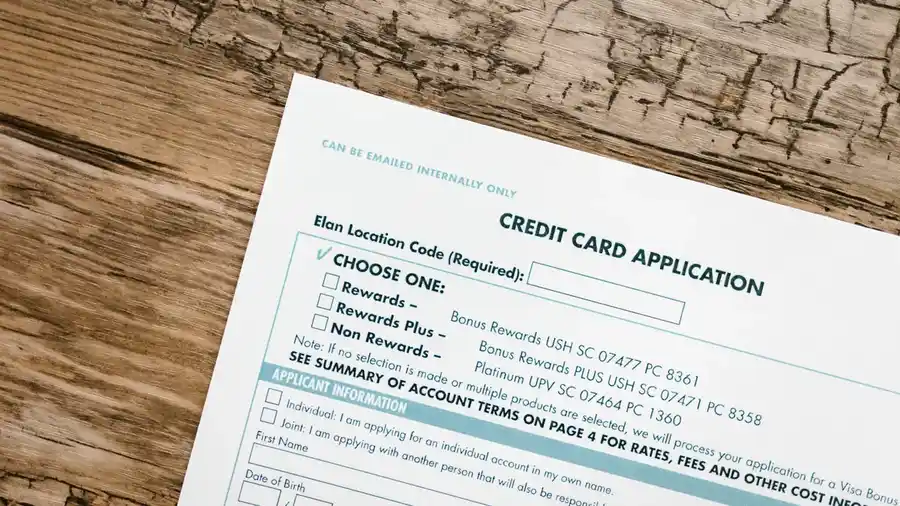
- Use the application form to state the current business status in one plain sentence, such as “active freelance business, no current clients.” Verify that this matches every other field, including business start date and income. A problem appears if the form says “active” in one place and “closed” or “not operating” in another.
- Use the client pipeline to explain why no jobs are in progress, such as a finished contract cycle, seasonal slowdown, or waiting list. Verify that the reason is factual and recent, not vague. A problem appears if the explanation sounds invented or changes across documents.
- Use invoices or accounting records to show the last paid work and the gap since then. Verify that dates, client names, and amounts line up with the story. A problem appears if records stop suddenly with no explanation or if numbers do not match the application.
- Use a website or portfolio to show that the freelance business is still publicly live. Verify that pages, contact details, or service descriptions are current. A problem appears if the site is missing, broken, or clearly abandoned.
- Use email or proposal records to show ongoing business development, even if no contract was signed. Verify that the messages are recent and business-related. A problem appears if the only evidence is old correspondence from before the gap.
- Use tax or bookkeeping records to show that the business is still tracked as a business. Verify that the records fit your country’s filing rules and the dates in the application. A problem appears if the business was reported as dormant elsewhere but active here.
- Use one short explanation statement that ties the facts together in 2 to 4 sentences. Verify that it avoids drama, excuses, and guesses about future income. A problem appears if the statement tries to predict revenue or sounds like a promise.
This approach works best when the underwriter wants a clean explanation for an income gap, not a full history lesson. It is weaker when the business has no records, no public presence, and no recent work at all. In that case, the problem is not wording; it is that the business may not yet have enough activity to describe as established.
What proof of activity helps most?
The strongest proof is whatever shows the business was alive during the gap, not just before it. An underwriter usually cares more about recent activity than about old bragging rights.
A good proof set often includes at least 2 or 3 of these: a live website, recent proposals, a current portfolio, invoices from past work, a business email address, calendar bookings, or bookkeeping entries. If the business sells services, even a quote request or a written estimate can help show the pipeline is real. The point is to show motion, not volume.
The proof should match the explanation. If the gap is because a contract ended 60 days ago, the evidence should sit close to that date range, not only years-old material. If the business has paused because of personal circumstances, the records still need to show the business was active before the pause. Weak proof is not fake proof; it is simply too thin to carry the story.
When should the explanation change?
The explanation should change any time the facts change in a way that affects whether the business is active. That matters because underwriters read patterns, not single lines.
The work stopped and nothing is being marketed: that looks more like a closed or dormant business — explain the pause honestly and do not describe it as active if there is no current business activity.
The business restarted after a long gap: that is a restart, not a steady pipeline — show the restart date and the first new lead or contract, and do not pretend the gap never happened.
Only one old client ever existed: that is a thin history — explain the business as limited history rather than established recurring work.
No records exist for recent activity: that weakens the claim of activity — gather what is available before submitting, or expect the underwriter to ask for more detail.
The work is paused for a known reason: that is a temporary pause — say so directly, but do not imply cash flow is normal if it is not.
A standard explanation is wrong for anyone who is trying to hide a shutdown, a new launch, or a restart. Those cases need their own wording because the risk picture is different.
What mistakes make the explanation weaker?
The biggest mistake is overexplaining. A long story can make a simple gap look suspicious, while a short factual note usually reads better.
Another common error is mixing business language with personal language. “I have been busy with life stuff” tells the underwriter almost nothing. “No paid client work since the last contract ended on a recent date” is clearer and easier to verify.
A third mistake is using inflated words like “always active” when the records show a recent pause. That kind of mismatch can lead to more questions and slower underwriting. The safer alternative is a narrow statement that matches the records.
A fourth error is failing to separate lead generation from paid work. A pipeline can be active even with no signed client, but only if there is real evidence of outreach, quotes, or inquiries. A dead inbox is not a pipeline.
A fifth mistake is leaving out the reason for the gap. The underwriter does not need a private biography, but does need a business explanation. One sentence about a finished project, seasonal lull, or temporary pause is usually better than silence.
How should the wording sound?
It should sound calm, direct, and ordinary. The best wording is not polished; it is easy to verify.
A useful structure is: current status, reason for gap, and proof of ongoing business activity. For example, “The freelance business is active, but there are no current clients after the last contract ended. The business is still being marketed, and recent proposals and a live website support that status.” That is enough for many applications because it gives the underwriter the whole picture in 2 sentences.
Do not add promises about new work arriving soon. A pipeline can be active without any guaranteed future income, and the application should not imply otherwise. Avoid emotional language such as “struggling” or “finally rebuilding” unless that is the exact business state the insurer is asking for. Business facts are stronger than personal feelings in underwriting.
What if the business is paused but not closed?
A paused business is still a business, but the explanation must show that the pause is temporary and documented. That usually means the records show prior trading, a recent stop in client work, and at least some remaining business activity such as outreach or administration.
The most helpful detail is timing. A pause of a few weeks or months reads differently from a pause that stretches across several filing periods. If the pause is long, the underwriter may want more proof that the business is still part of normal work life and not simply dormant. The explanation should stay with the facts and avoid guessing when the next client will arrive.
For related underwriting questions, the hub on [freelance insurance application and underwriting] can help frame the wider application process.
When does the standard approach stop working?
The standard approach stops working when the business cannot show enough current activity to support the claim that it is active. In that case, the right move is not to polish the wording harder; it is to use a different description that matches the records.
No recent invoices and no active marketing: that means the business looks dormant — use dormant wording, not active wording.
Only personal savings support the gap: that means the issue is income, not business activity — do not present personal cash flow as business proof.
The last client was far in the past: that means the timeline is thin — expect more questions and be ready with dated records.
The business name changed recently: that means the underwriter may see a different entity — explain the name change clearly and keep records aligned.
The work is being done informally: that means the business may be hard to verify — gather written records before submitting anything.
The wrong tool is a vague explanation. The right tool is a clean paper trail.
FAQ
Can I get freelance insurance with no current clients?
Yes, if the business can still be shown as active through records, marketing, or recent work history. The issue is usually not the empty client list itself, but whether the application can show that the freelance business still operates. A qualified adviser should help if the situation is unclear or the records are thin.
How do I prove a freelance business is active?
Use records that show recent business life, such as invoices, a live website, proposals, email inquiries, or bookkeeping entries. The best proof is recent and consistent across documents. If the evidence is old, incomplete, or contradictory, the underwriter may ask for more detail or treat the business as less active.
What if my work is paused but not closed?
Say that the work is paused and explain why, using facts rather than optimism. A paused business is not the same as a closed one, but the application should make that distinction clear. If the pause is long or the records are weak, a qualified adviser can help frame the situation accurately.
Drafted with AI; not yet reviewed by a person.
