

Last updated: November 24, 2026
Quick Answer: in most cases, a certificate holder change takes 1 broker request and 1 revised certificate. A certificate holder change for a freelance client is a correction request to the insurance broker or insurer, not a new policy change. If the certificate of insurance only needs a different certificate holder name, mailing address, or mailing email, the fix usually starts with the broker and the client onboarding form, then gets checked against the existing policy and any additional insured wording. For general certificate basics, see certificate of insurance and additional insured wording. According to IRMI and the NAIC, a certificate is evidence of coverage, not the policy itself.
Key takeaways
- A certificate holder change usually updates the name and address shown on a certificate of insurance, not the coverage itself.
- The cleanest request includes the correct legal name, mailing address, and any client reference number from the onboarding form.
- If the certificate also needs additional insured wording, that is a separate check and may take more review than a simple holder correction.
- The broker is the right first contact in most cases, because the broker issues or amends the certificate.
- If the request implies a new contract term or a different risk, stop and get qualified help before assuming the certificate can be changed.
Who this applies to
This applies to freelancers who already have a certificate of insurance on file and need the certificate holder line corrected for a freelance client. It assumes you know the client’s exact legal name, the right mailing address, and who your insurance broker is; it also assumes the certificate was already issued once, usually on an ACORD 25 form or a similar one-page certificate. For a client-facing checklist, see freelance client onboarding.
This is not the page for asking whether a client can require a certificate, or for changing the terms of your policy to add a new contract duty. If the request is only to fix the certificate holder name, address, or formatting, the process is usually administrative. If the request changes the coverage grant, the limit structure, or the insured parties, that is a different task and needs a separate review.
How do I request a certificate holder change?
You request a certificate holder change by sending a precise correction request to the insurance broker, with the exact holder name, the full mailing address, and the certificate number or client job reference. The broker then checks whether the change fits the existing certificate of insurance and whether the wording needs an update before reissuing it. If you need a broader policy edit, review policy endorsements before you send the request.
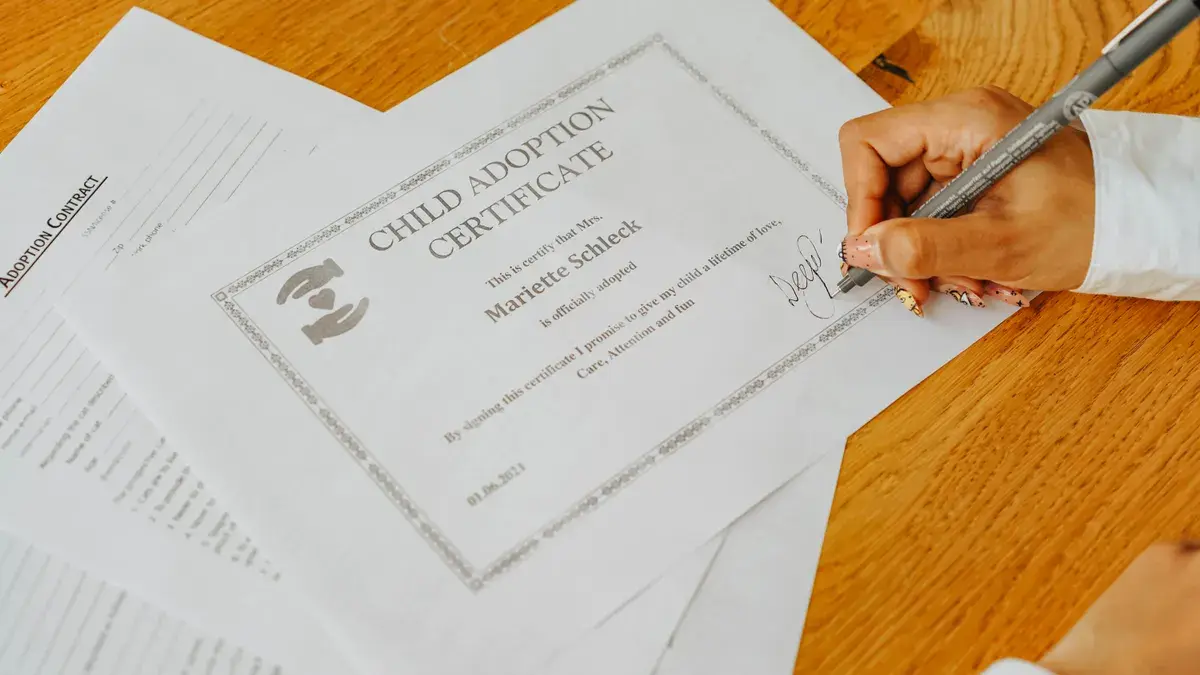
- Open the client onboarding form and copy the holder details exactly as the client wrote them, then verify the legal name, mailing address, and any department line are complete; if the form shows only a nickname or a partial address, the request is not ready.
- Check the current certificate of insurance for the certificate holder name, holder address, and any additional insured wording, and compare each line character by character; if the existing certificate uses a trade name that differs from the client’s contract name, that is the first mismatch to flag.
- Gather the policy number, effective date, and the broker’s reference number from the certificate file, and make sure the policy is still active; if the policy has expired, the broker may not be able to simply amend the old certificate.
- Write a short broker request that states only the correction needed, such as “replace certificate holder name” or “update mailing address,” and include the exact new text; if you need more than one correction, list them in separate lines so nothing gets missed.
- Send the request to the insurance broker by the channel they accept for certificate changes, and attach the onboarding form or client email that shows the correct details; if the broker cannot tie the change to a policy number in under 1 step of review, expect a delay.
- Confirm whether the broker needs the client’s written approval, a revised contract, or a new certificate holder instruction before they issue the change; if the broker asks for proof and you do not have it, stop and collect it before the certificate is reissued.
- Review the revised certificate of insurance line by line, including the holder name, address, and any additional insured wording, and compare it with the request you sent; if one field still shows the old name, ask for a correction before you forward anything to the client.
- Save the revised certificate with the request date and the new version in your file, then replace the old copy in your client record; if you keep both without clear labels, the wrong one can get reused on the next 1-page submission.
The key point is that the request should change the certificate holder record, not the substance of the policy. A certificate of insurance is evidence of coverage, not the policy itself, so the broker can often amend the holder information without changing the underlying contract, as the NAIC notes. If the certificate also needs wording about additional insured status, that is a separate line to verify because it affects who is named, not just who receives the paper.
What should I check before I send it?
You should check the client’s exact legal name, the mailing address, and whether the request is for a certificate holder change or for additional insured wording. Those are different requests, and mixing them in one email is how a simple correction turns into a 2-part review.
Start with the onboarding packet. If the client onboarding form has a contract name, a billing name, and a site name, use the one that the certificate request actually calls for; do not guess from an invoice header. Then compare the current certificate against the request so you can see whether the problem is a typo, a move to a new address, or a label that should have been “certificate holder” rather than “additional insured.”
A useful rule is to check three items before sending anything: the holder name, the holder address, and the policy number. If all three are correct, the broker usually only needs a clean instruction. If any one of them conflicts with the client’s paperwork, the request may need follow-up and the certificate may not be reissued on the first pass.
The mistakes people actually make
People most often send vague instructions, and that slows the broker down by at least one reply. “Please update the certificate” does not say what changed, so the broker has to ask whether the certificate holder name, the mailing address, or the additional insured wording is the problem.
Another common mistake is using the client’s brand name instead of the legal name. That can leave the certificate technically inaccurate, which matters when the client compares it against a contract or an onboarding record. The safer alternative is to copy the exact legal name from the client onboarding form or the contract cover page.
A third mistake is asking for a certificate holder change when the real issue is additional insured wording. Those are not the same thing, and a broker may need to review policy language before they can confirm that wording. If you only need the holder line corrected, say that plainly.
A fourth mistake is forwarding the old certificate without checking the revision date or version. That can send the client the wrong document, which creates a second correction cycle and may make it look as if the request was never handled. Save the revised file with a clear version label so you do not pull the 1st copy by accident.
When should I stop and get help instead?
You should stop and get qualified help when the request is no longer a plain certificate correction. That is the line where a certificate holder change starts to touch coverage, contract language, or policy rights.
The client wants a new insured party added: That is not just a holder correction — it may require additional insured wording and a policy review. Ask the broker to confirm what the existing policy allows before you promise anything.
The request changes the policy period or effective date: A certificate cannot rewrite a past or future coverage period on its own. Ask the broker to check the policy record first, because a date mismatch can make the certificate misleading.
The holder name does not match the contract name: That may signal a contract drafting issue rather than a certificate issue. Ask for the signed agreement or the onboarding form so the broker can match the right name before issuing a revised certificate.
The client wants different wording about liability or endorsement status: That moves beyond certificate holder formatting and into coverage language. Stop and ask the broker to confirm whether the policy supports the wording before you submit the change.
The policy has expired or the broker says the record is inactive: An inactive policy can block a clean certificate update. The practical next step is to ask the broker what record is still open, because the old certificate may no longer be amendable.
When the request is purely administrative, you can usually keep moving. When it touches coverage, dates, or legal names that do not line up, the cost of a wrong certificate is confusion at best and a rejected client file at worst.
What changes when the address or wording is wrong?
A wrong mailing address usually means the certificate holder should be updated, not the coverage. That is the simplest correction because it changes where the document points, not what the policy insures.
Wrong additional insured wording is a bigger issue. The certificate holder is the entity receiving the certificate; an additional insured is a party granted certain policy benefits under the policy or endorsement. If the certificate mixes those up, the broker may need to verify the endorsement before sending a corrected version.
A mismatch in wording can also happen when the client uses a standard vendor form and your certificate of insurance uses the broker’s template language. In that case, the broker may need the exact form wording or the client’s instructions copied line for line. The more specific the wording, the slower the review can become, even if the request still sounds small.
Can I just send the client a corrected PDF?
You can send a corrected PDF only after the broker has issued or approved the revised certificate. A home-edited PDF is the wrong tool because it does not come from the insurance record and can create a false document trail.
If the broker returns a corrected certificate, send that version and keep the earlier one archived. If the broker has not confirmed the change, do not alter the certificate yourself. The 1-file convenience of a self-edited PDF is not worth the risk of passing along the wrong certificate holder name or a stale address.
This is the part many freelancers underestimate: the administrative fix is fast, but only if the underlying details are clean. A clear broker request saves time; a guessed correction usually costs a second round.
FAQ
Can i change the certificate holder name after issuance?
Yes, if the broker can match the change to the existing policy and the request is only a certificate correction. The holder name should be updated with the exact legal name from the client record, not a nickname or brand name. If the name change also affects coverage language, the broker may need more review.
What information do insurers need to update a certificate?
They usually need the policy number, the correct certificate holder name, the mailing address, and the reason for the correction. If the request involves additional insured wording, they may also need the contract language or the client onboarding form. A clean request with 3 clear fields is easier to process than a long email.
Does a certificate holder change affect coverage?
Usually, no, because a certificate holder is the recipient of the certificate, not the insured party. The change updates the document record, but it does not by itself rewrite the policy. If the request also changes additional insured wording or another coverage term, that is a separate question and should be reviewed by a qualified broker.
Drafted with AI; not yet reviewed by a person.
