
Last updated: November 23, 2026
Quick Answer: Add equipment floater coverage in 5 steps by listing each item, proving what it is worth, and asking the insurer to attach the floater to your policy with the right items named or scheduled. This article on how to add equipment floater coverage for freelance gear is information, not financial advice; a qualified adviser should review your own policy, gear list, and country-specific rules.
Key takeaways
- An equipment floater is meant for movable gear, not a vague “everything I own” request.
- A clean inventory matters because gear can range from low-cost batteries and cords to high-value cameras, according to Athos Insurance Services.
- The insurer usually needs item details, proof of ownership, and the value basis, such as replacement cost.
- A floater should be checked against theft, transit, and accidental damage terms before it is added.
- If the policy wording is unclear, the next step is usually to pause and ask the insurer or a qualified adviser to review it.
Who is this for?
This applies to freelancers who use portable gear such as a camera, laptop, or portable tools and want that gear covered while it moves between jobs, homes, and transit. It assumes you already have a business policy or personal policy that can accept an equipment floater, plus an inventory and some proof of ownership, such as an invoice.
Therefore, this is for people who need to document movable items, not for anyone trying to solve a home office property question. It also fits better when the gear list is stable enough to write down and keep updated. If the insurer cannot match each item to a value, a model, or an invoice, the process usually stalls.
How do you add equipment floater coverage?
You add equipment floater coverage by turning your gear into a written schedule and sending the insurer the details it needs to price and attach the endorsement. An equipment floater is a policy add-on that follows listed items instead of sitting inside a generic property bucket. The cleaner the list, the easier it is to place the coverage.
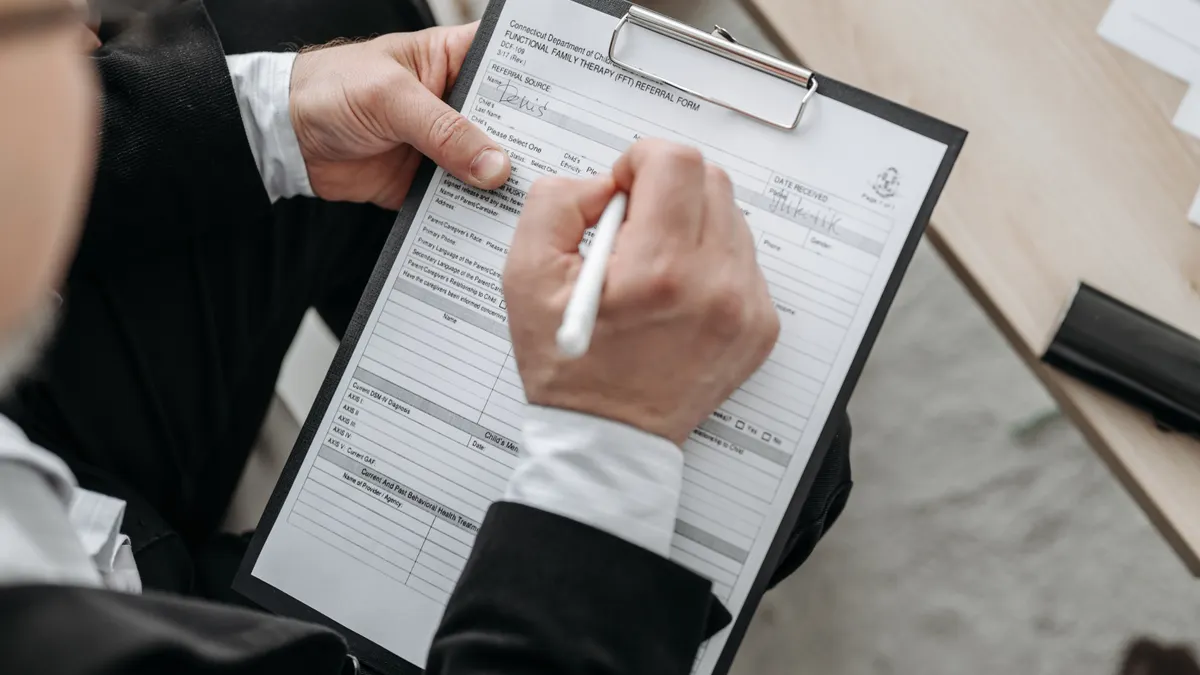
- Inventory every camera, laptop, battery, cord, and portable tool, then verify the list is complete; if a piece of gear has no line on the list, it may be left out of the floater.
- Gather invoices, receipts, or other proof of ownership for each item, then verify the document matches the item name and model; if the paperwork cannot connect to the gear, the insurer may ask for more evidence.
- Record the replacement cost for each item, then verify you are using the amount needed to replace the item rather than an unclear blended figure; if the number is guessed, the schedule may be wrong from the start.
- Group the gear into scheduled items, then verify each line can stand on its own with a description and value; if several different items are lumped into one line, claims can get messy.
- Submit the inventory and invoice set to the insurer, then verify the request asks for an equipment floater rather than a general note in the file; if the endorsement is not written into the policy, the coverage may not change.
- Confirm theft and transit terms, then verify the policy says how movable gear is handled outside the studio or home; if transit is unclear, the gap may appear only after a loss.
- Check any accidental damage, accidental erasure, or hardware failure wording, then verify these events are actually listed; if they are missing, a common tech loss may fall outside the coverage.
- Review the final schedule after the insurer issues it, then verify every model, value, and name is correct; if a camera or laptop is entered wrong, the claim file starts with a mistake.
For example, a good result is a floater that names the gear clearly, shows what each item is worth, and matches the policy language to the way you actually work. A bad result is a vague endorsement that says “electronics” or “tools” without enough detail to match a real loss to a real line item.
What should you check first?
Since the first check is whether your gear list is tight enough to price before you ask for the floater. Athos Insurance Services says gear values can range from low-cost batteries and cords to high-value cameras, so the first job is to keep an inventory of all equipment. That inventory gives the insurer something concrete to schedule.
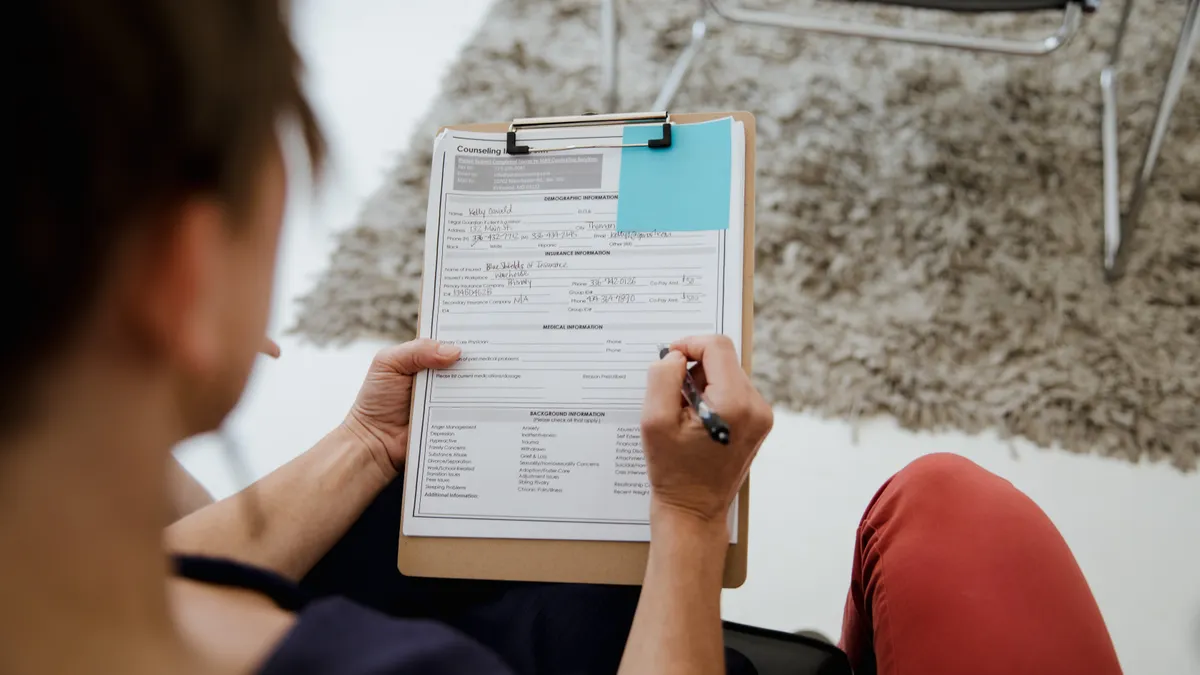
Next, the value basis should be consistent. If some items are written at replacement cost and others are at a different basis, the schedule can become hard to read. Replacement cost matters because it tells the insurer what it would take to replace the item, not what the used market might have paid last week.
Use the invoice as the anchor where possible. An invoice helps connect the item name, model, and ownership history, which makes the schedule easier to document. If the invoice is missing, incomplete, or names a bundle instead of the actual item, the insurer may need more proof before it can add the floater.
When should you stop and ask for help?
Therefore, you should stop when the policy language, item list, or value method no longer matches what you can document. That is where the process stops being a form-filling exercise and starts becoming a policy review.
The gear list is incomplete: a missing camera, laptop, or tool can leave part of the equipment uncovered — pause and finish the inventory before you submit anything.
The invoice does not match the item: the insurer may not be able to tie proof of ownership to the gear — get a better document or ask the seller for a corrected invoice.
The policy does not mention scheduled items: the floater may not attach the way you expect — ask the insurer how the endorsement is written before you rely on it.
The value basis is unclear: replacement cost, used value, and another method are not the same thing — stop and confirm which method the policy uses.
The gear moves across jobs or transit a lot: theft and transit exposure can change how the endorsement should read — get the wording checked before you assume it follows the gear everywhere.
The item has special tech risks: accidental erasure or hardware failure may matter for certain devices — verify whether those events are included instead of assuming they are automatic.
What mistakes do people make?
The most common mistake is listing gear too loosely. A line that says “camera gear” or “portable tools” can hide separate items with different values, which makes a claim harder to match later. The better alternative is a line-by-line schedule with item names and values.
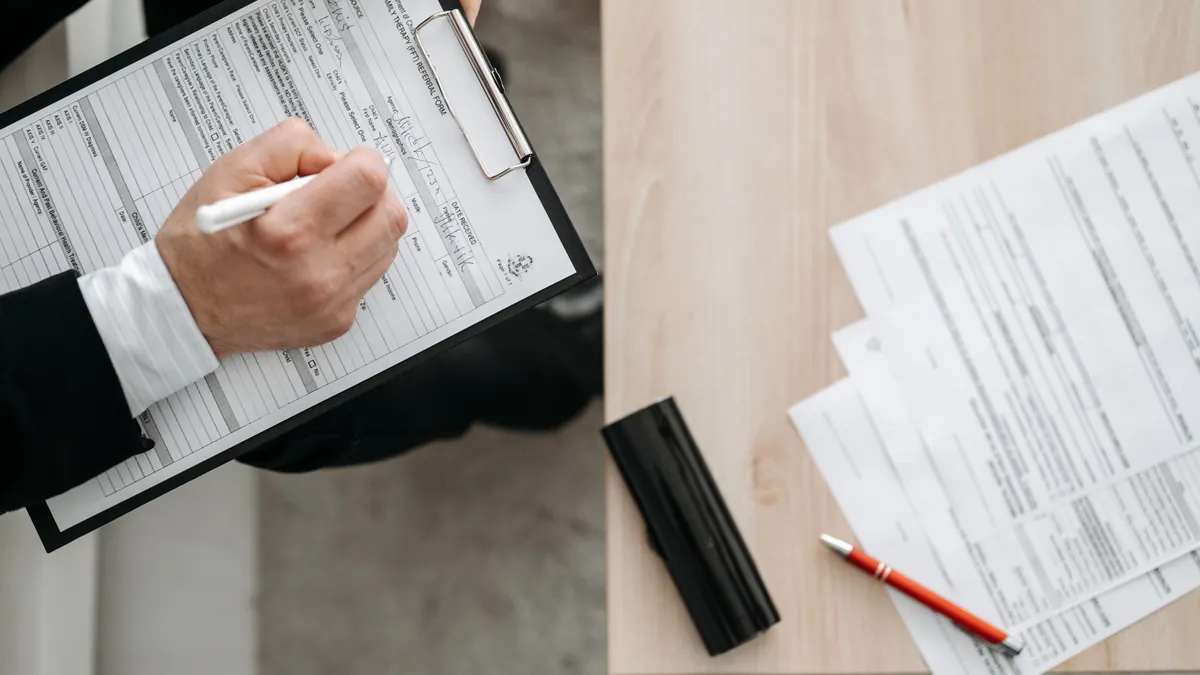
A second mistake is skipping the invoice. Without proof of ownership, the insurer may have to stop and ask for more documents, which slows the endorsement. The correct move is to attach the invoice at the same time as the inventory, not after the request goes in.
A third mistake is ignoring replacement cost and using a rough guess. That can leave the schedule too low or too high for the item, and neither helps when the policy needs a real number. The safer alternative is to write down the amount needed to replace each piece of gear and keep that figure consistent.
A fourth mistake is assuming transit is covered because the gear is portable. “Portable” does not automatically mean protected during theft or while moving between locations. The correct alternative is to check the policy wording for theft and transit before you rely on the floater.
A fifth mistake is treating the floater like a one-time task. Gear changes fast, and the inventory should move with it. If a new laptop or camera is not added later, the schedule can lag behind the actual kit. A qualified adviser can help confirm how often updates are needed under your policy.
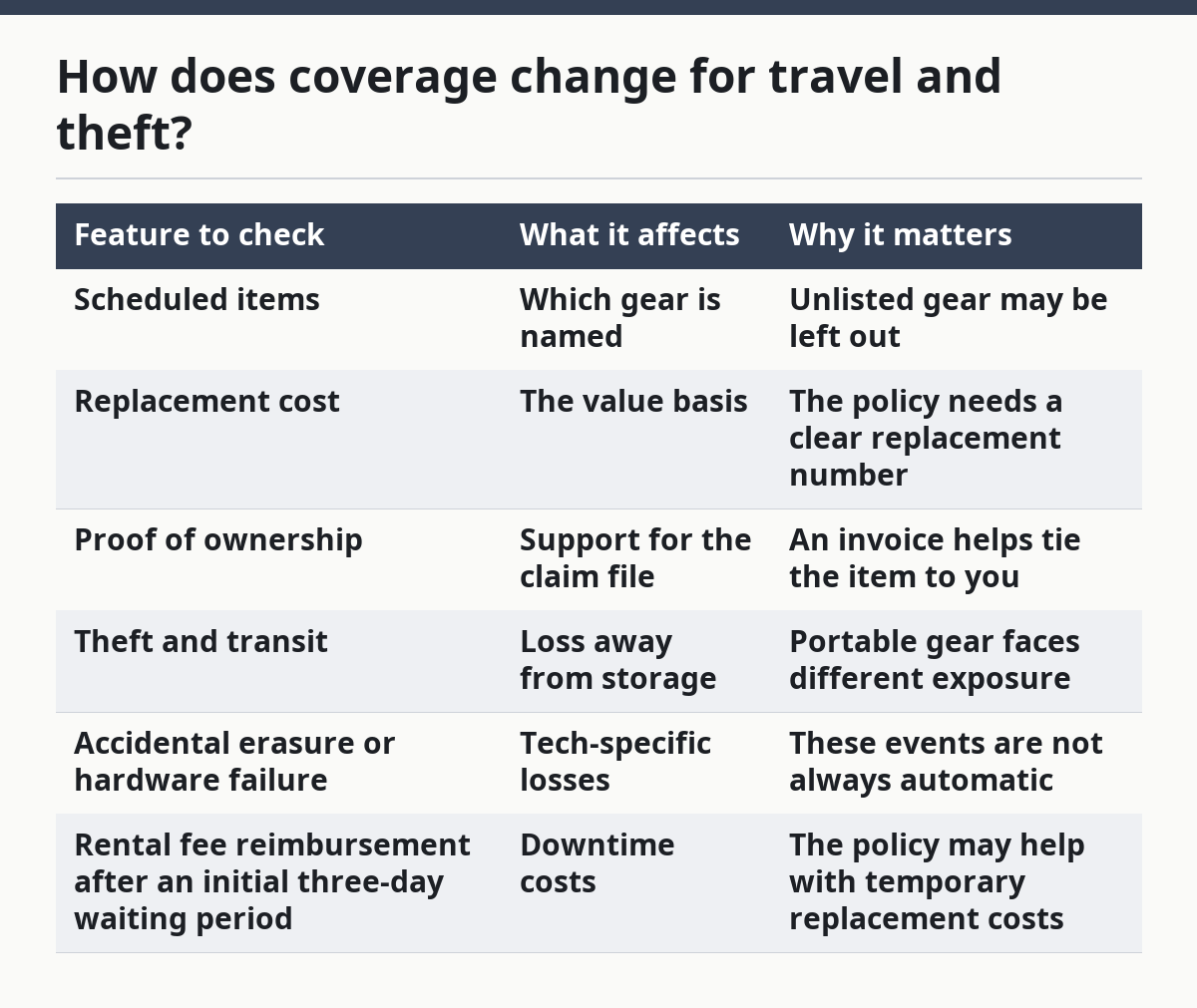
How does coverage change for travel and theft?
Because travel and theft matter, movable gear is exposed outside the place where it is usually stored. A floater can be set up to follow listed items, but the policy still has to say what happens during transit and theft. That is why the details matter before the endorsement is issued.
Some policies also address accidental erasure or hardware failure for equipment that stores files or depends on internal parts, according to Kelly Insurance Group. That kind of wording may matter for freelance work that relies on a laptop or camera memory, because the loss is not always a visible break. If the policy does not name the event, do not assume it is covered.
Athos Insurance Services also notes that extra coverage can reimburse continuing rental fees after an initial three-day waiting period. That is a separate feature from the floater itself, but it shows why reading the policy language matters before a loss happens. A rental fee term can affect how you plan for downtime, yet it should still be checked line by line.
| Feature to check | What it affects | Why it matters |
|---|---|---|
| Scheduled items | Which gear is named | Unlisted gear may be left out |
| Replacement cost | The value basis | The policy needs a clear replacement number |
| Proof of ownership | Support for the claim file | An invoice helps tie the item to you |
| Theft and transit | Loss away from storage | Portable gear faces different exposure |
| Accidental erasure or hardware failure | Tech-specific losses | These events are not always automatic |
| Rental fee reimbursement after an initial three-day waiting period | Downtime costs | The policy may help with temporary replacement costs |
What does a clean filing look like?
For a clean filing, the insurer can read the item, the value, and the proof without guessing. It usually includes the inventory, the invoice, the replacement cost, and any special notes about theft, transit, or tech failure. If one of those pieces is missing, the file is harder to process.
A strong submission also keeps names exact. If the invoice says one model and the schedule says another, the mismatch can slow things down. The same rule applies to a camera, a laptop, or a portable tool: the closer the paperwork is to the real item, the easier it is to attach the floater correctly.
This page sits under the hub on freelance insurance policy administration because that kind of policy work is mostly about clean records. Add the endorsement, then keep the inventory updated whenever the gear changes. That habit matters more than one perfect form. For more background, see the Insurance Information Institute and the NAIC consumer guidance.
FAQ
What is an equipment floater?
An equipment floater is an insurance add-on for movable gear. It is used to list items such as a camera, laptop, or portable tools so they can be identified separately from broad property categories. The insurer usually needs the item list, ownership proof, and a value basis before it can attach the coverage.
Do I need to schedule all my freelance equipment?
Since not all gear has the same value or risk, not always, but the floater works best when the items that matter most are listed clearly. If a piece of gear is not on the schedule, it may not be treated the same way as a named item. The practical issue is documentation: if you cannot identify the item and its value, the schedule can break down.
Can an equipment floater cover items while traveling?
It can, if the policy wording says so and the theft or transit terms fit the way the gear is moved. Portable gear often changes hands, locations, and storage conditions during travel, so the exact wording matters. Check whether the policy addresses transit and whether the item is named on the schedule before relying on it outside your usual space.
Sources
- Athos Insurance Services, equipment inventory and replacement-cost guidance
- Kelly Insurance Group, accidental erasure and hardware failure wording
- Insurance Information Institute
- NAIC consumer guidance
Drafted with AI; not yet reviewed by a person.
