

Last updated: November 19, 2026
Quick Answer: if your freelance insurance policy needs a new service line, the update is usually handled with a service line endorsement, and the clean result is a written endorsement plus matching policy declarations. In practice, that can take a few days or longer depending on underwriting detail.
You need to update your freelance insurance policy before a new service line slips outside your policy declarations. The fix is usually a service line endorsement, but the insurer has to accept the new professional services first. This article on How to Add a New Service Line to Your Freelance Insurance Policy shows what to send, what to check, and when the update is not enough.
Key takeaways
- A new service line can change what your policy covers, so the old description may no longer fit.
- The insurer will usually want a fresh description of your work, clients, and contracts before it issues an endorsement.
- The clearest sign of a good update is simple: your policy declarations and endorsement both match the work you now do.
- If the new work is higher risk or very different from your old service, the insurer may re-rate the policy, narrow coverage, or decline part of the change.
- This is information, not financial advice; for your own situation, a qualified adviser should review the policy terms and the new line of work.
What a new service line changes in your policy
A new service line changes the risk the insurer agreed to cover. If your policy says you do one kind of professional services and you start doing another, the gap can show up in a claim review long after the invoice is paid.
Picture this: you are adding a second offer, maybe strategy plus implementation, and the new work has different deliverables, deadlines, and client expectations. That can change the wording in the application, the class of business, and the underwriter’s view of your exposure.
What usually needs a second look:
- The description of services in the application.
- The policy declarations, which are the summary pages that list who and what is insured.
- Any exclusions tied to the old service scope.
- The wording of your contracts and proposals.
The truth is, insurers do not insure “freelance work” in the abstract. They insure a described activity. If the activity changes, the paperwork needs to change too.
Read the old wording first
Start with the exact service description on the declarations page, then compare it with the new work you plan to offer. A 1-line mismatch can matter if the new work includes advice, implementation, review, or ongoing management that was never named before.
If the new line still fits inside the old wording, the update may be minor. If it does not, you need an endorsement or a rewritten application. That is the point where the insurer decides whether the added service belongs on the policy at all.
How to add the service line, step by step

Add the service line by giving the insurer a precise description of the new work, then wait for written confirmation that the policy has been updated. Do not rely on a phone call or a support email as proof; if the wording matters, ask a qualified professional or the insurer for written confirmation, and keep the policy documents as the record.
Picture this: you have a new offer ready to sell, and you want the insurance record to match it before the first client signs. That means gathering the facts first, then asking for an endorsement in writing.
- Write the new service in plain language. List the work in 1 to 3 sentences, including what you do, what you do not do, and whether you advise, design, install, manage, or review. Verify that the description matches your contracts. If it is too vague, the underwriter may narrow it later.
- Collect the policy details. Pull the declarations page, current policy period, limits, deductible, and any exclusions tied to professional services. Check the policy form name and effective date. If you cannot find those pages, the request may stall because the insurer cannot identify the right form.
- Map the risk changes. Note whether the new line adds new deliverables, new client types, data access, third-party reliance, or deadlines. Verify whether the new service creates a different kind of claim than your current line. If the loss pattern changes, the insurer may need a new class of business.
- Gather underwriting facts. Be ready with revenue estimates, client mix, subcontractor use, and any contracts that describe the service. If the insurer asks for prior claims or a sample agreement, send the exact version you use. Missing facts often lead to delays or a broader exclusion than expected.
- Request a service line endorsement. Ask for the change in writing and name the new service line exactly as you want it listed. Confirm whether the insurer is issuing an endorsement, a revised declarations page, or a new policy form. If no written form is issued, the change may not be effective on the record.
- Review the revised wording. Read the endorsement line by line for the new service description, effective date, any sublimits, and any added exclusions. Verify that the new service is named in a way that matches your real work. If the wording is narrower than your actual offer, the update is incomplete.
- Check the premium and payment terms. See whether the insurer changed the premium, added a minimum earned amount, or issued a short-rate adjustment. Make sure the billing date and the policy period still line up. A mismatch here can leave the change unpaid and unbound.
- Save the proof set. Keep the endorsement, revised declarations page, and the insurer’s written approval together with your proposal template. Verify you can show them within 24 hours if a client asks for proof of coverage. If you only have a verbal answer, you do not have clean documentation.
The best result is usually straightforward: the new line appears on the paperwork, the dates line up, and your future client work matches the policy language. Anything fuzzier than that needs another round with the insurer.
What should I send the underwriter?
Send enough detail for the underwriter to classify the new work without guessing. A short note is not enough if the service line changes the type of exposure.
Picture this: your old policy covered one kind of advisory work, and the new line adds hands-on execution. The underwriter is trying to decide whether that belongs in the same bucket or needs a new one.
A clean package usually includes:
- A short service description
- Sample contract or statement of work
- Expected clients and industries
- Revenue share for the new line, if you can estimate it
- Any subcontractor use
- Data handling details, if the work touches client records
- Prior claims or incidents tied to the new activity
The more the new line resembles a different business, the more likely the insurer will ask follow-up questions. That is not a bad sign by itself. It means the underwriter is trying to price the exposure correctly rather than pretend the risk did not change.
Why exact wording matters
A service line named “consulting” can mean a dozen different things. One insurer may treat it as advice only; another may treat it as strategy plus implementation. If your real work includes deliverables beyond advice, say so, and if the boundary is unclear, consult a qualified professional or the insurer before you rely on the wording.
Here’s the catch: if your proposal says one thing and your insurance file says another, a claim can turn into a coverage dispute. That is why exact wording belongs in the request, not just in your head.
For a broader view of policy structure, this page fits under the hub on freelancer insurance basics and coverage choices. That hub covers the bigger decision tree; this page only handles the update process. For more on policy wording, see professional liability insurance and freelance business insurance.
Will adding the service line change your coverage?
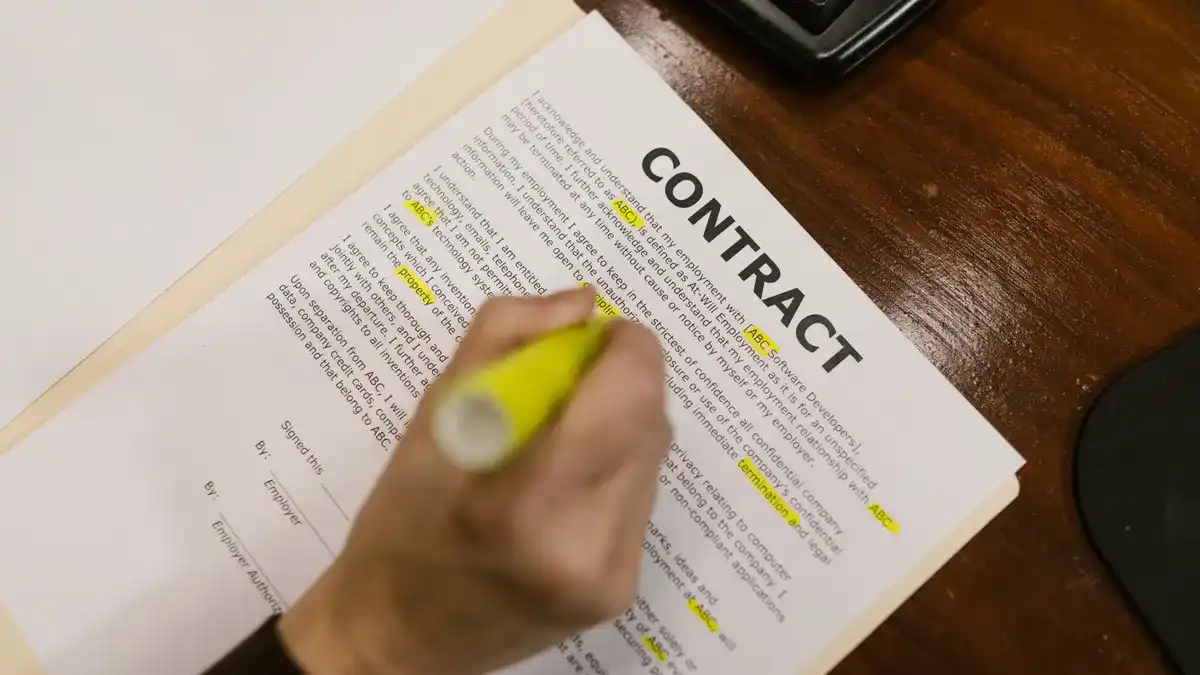
It can, because the insurer may rewrite the scope, add an exclusion, or adjust the premium for the added activity. The change depends on the carrier’s underwriting and is not always neutral.
Picture this: you are asking the insurer to cover a different set of tasks under the same policy term. Sometimes the answer is a simple endorsement. Sometimes the answer is a narrower grant of coverage, a higher premium, or a request for a separate policy.
What to watch for in the revised documents:
- A new service name that is too narrow
- A higher deductible tied to the new work
- A special exclusion for one client type or deliverable
- A retroactive date that does not match your start of work
- A requirement to report changes before the next renewal
If the update adds limits, dates, or exclusions, read them as part of the deal, not as noise. A 1-page endorsement can change the practical value of the policy more than a 20-page form.
Signs the update worked
You know the change landed when the declarations page and the endorsement both reflect the new service line, the effective date is correct, and the insurer confirms the update in writing. If the policy still describes only the old service, keep pressing.
The truth is, many problems show up in the paperwork, not in the sale. If the policy does not name the work, assume it is not covered until the insurer says otherwise in writing.
When should you stop and get the insurer to rethink the file?
Stop and ask for a fresh underwriting review when the new service line is materially different from the old one. That is the point where a simple endorsement may not be enough.
Picture this: you started with a low-touch service and the new line adds high-stakes advice, client data, or direct operational control. The insurer may need to reclassify the account, not just stamp a form.
The new work uses client money, client systems, or client credentials: that can change the claim pattern and the insurer may need a deeper review — pause until the underwriter weighs in.
The service line adds implementation, not just advice: hands-on work can create a different liability profile — ask whether the policy wording still fits.
Your contracts now promise a new outcome or warranty: that can create a coverage gap if the policy was priced for softer obligations — get the language checked.
You are adding subcontractors: their acts may count against you and the insurer may want updated controls — send the subcontracting details before you bind the change.
The insurer asks for a new application or supplemental form: that usually means the change is bigger than a routine note — complete the form instead of trying to explain it by email.
Your current policy has a narrow professional-services definition: if the new service falls outside it, the endorsement may not cure the problem — ask for a written decision, and consult a qualified professional if you are not sure how the wording applies.
What mistakes cause the most trouble?
The biggest mistake is assuming the new service is “close enough” to the old one. That is how people end up with a policy that looked fine at signing and looks wrong at claim time.
Picture this: you make one small business change, skip the update, and later discover the insurer saw a different business entirely. The fix is cheap when the work is still on paper. It is much harder after a loss.
Common errors and what they cost:
- Waiting until renewal. The new line may begin months before the policy is updated, leaving a gap in the middle. The better move is to notify the insurer as soon as the service changes.
- Using a vague service description. “Consulting” or “creative services” may be too broad. The correct alternative is a tight description of actual tasks and deliverables.
- Ignoring subcontractors. A helper can change the underwriting picture and the claim path. The better alternative is to list the outside work clearly.
- Not reading the endorsement. The insurer may approve the change but narrow it in the wording. The correct alternative is to compare the endorsement with your proposal and contract.
- Treating a broker message as final proof. A message from the broker is not always the policy document. The correct alternative is to keep the insurer’s written endorsement and declarations page, and ask a qualified professional if the documents do not match.
Most of these mistakes are preventable with a 10-minute document check and a written approval trail.
What if the new service line is very different from the old one?
Use a different policy structure if the new work is really a different business, not just an added offer. Sometimes a service line endorsement is not enough because the exposure is too far from the original risk.
Picture this: you started with one kind of freelance job and now you are moving into a line with different clients, different deadlines, and different legal exposure. The insurer may want a fresh application, a separate class of business, or a separate policy form.
This is where a line-by-line comparison helps:
- If the new work stays inside the old professional-services definition, an endorsement may work.
- If the new work changes the client type or the duty you owe, the underwriter may want a new filing.
- If the new work introduces new regulated activity, the insurer may exclude that piece even if it keeps the rest of the policy.
A small change in wording can matter more than a big change in branding. The policy follows the work, not the logo.
How long does the update take, and what does “done” look like?
The update is done when the insurer has issued the endorsement, the effective date is correct, and the policy documents match the new service line. The timeline depends on how much underwriting detail the change needs.
Picture this: you send the request on Monday and expect a clean answer by Friday. That can happen for a simple wording change, but a bigger shift can take longer if the underwriter wants contracts or a new application.
A finished update usually has three parts:
- Written approval from the insurer
- A revised declarations page or endorsement
- Your own records updated to match the policy terms
If any one of those is missing, the job is not really finished. The paperwork should tell the same story in every place.
A quick reality check before you move on
If the new service line changes your clients, deliverables, or contract terms, do not assume the old policy still fits. If the insurer has not seen the change, it has not had a chance to price it.
That is why the cleanest path is simple: describe the new work, ask for the endorsement, read the wording, and keep the proof.
Drafted with AI; not yet reviewed by a person.
