

Last updated: November 24, 2026
Quick answer: use 7 steps to add waiver of subrogation coverage to freelance insurance. Ask the carrier for the endorsement, then check that the policy, the certificate of insurance, and the client contract all say the same thing. This topic is called How to Add Waiver of Subrogation Coverage to Freelance Insurance, and the cleanest result is a matching file with 3 aligned documents. This matters when a client contract requires you to give up the insurer’s right to recover costs from that client or another covered party after a loss.
Key takeaways
- A waiver of subrogation is an insurer’s promise not to chase a specified party for repayment after it pays a claim.
- The request belongs with the insurance carrier, not only on the certificate of insurance.
- The client contract has to match the endorsement language, or the paperwork can look right while the coverage still fails the test.
- This is a policy administration task, not a shopping task.
- If the contract names unusual parties, multiple job sites, or more than one policy, the request gets harder fast.
Who needs this, and what do they need first?
This applies to freelancers who already have a liability policy and have been asked by a client to add waiver of subrogation coverage to that policy. It assumes you have the client contract, the policy name, the insurer’s contact details, and a current certificate of insurance. This is not financial advice; insurance terms and contract rights vary by country and by policy form, so a qualified adviser should be consulted for your own situation.
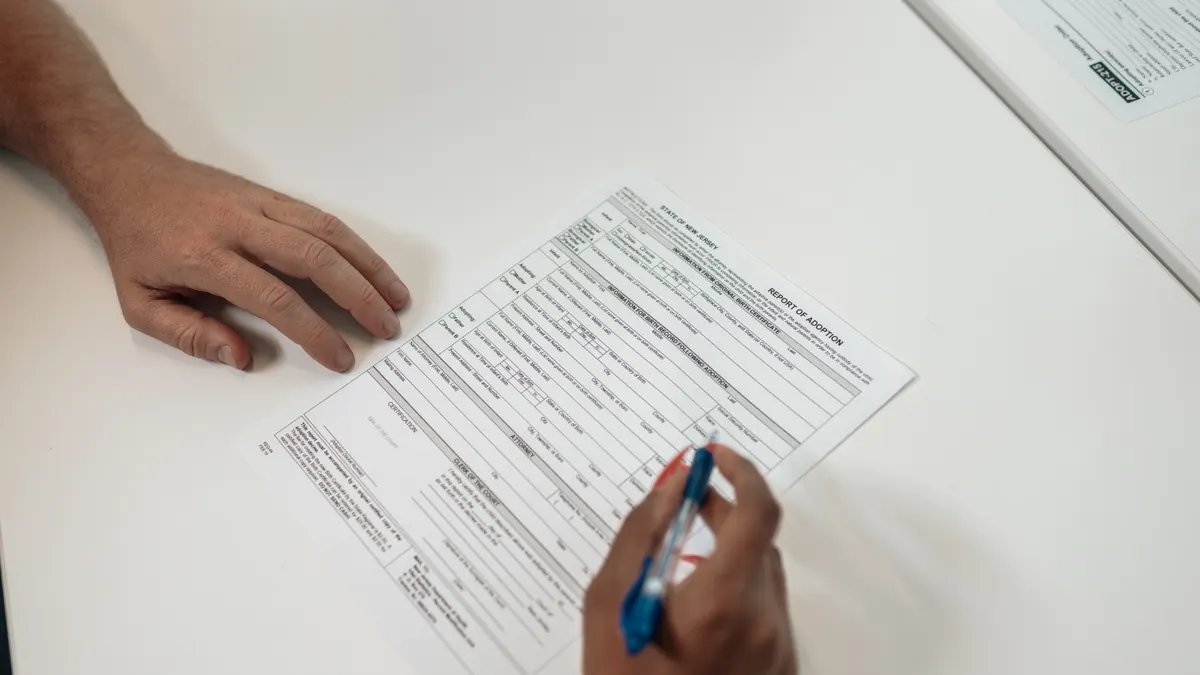
A waiver of subrogation is often requested in service contracts, lease terms, and on some project sites where the client wants less chance of a back-and-forth after a loss. The request is not the same as naming a client as an additional insured, and it is not something the certificate alone can create. Cornell Law School’s Legal Information Institute has a plain-language overview of subrogation that helps explain the base concept, and the insurance contract language is usually where the real decision sits.
This is the right page if the question is, “How do I get the endorsement added?” It is not the right page if you need help judging a client’s entire insurance clause or deciding whether the clause is reasonable. That second job is a different question with different steps, and mixing them causes delay. The clean way to think about it is simple: the contract asks, the carrier responds, and the certificate records the result.
A freelancer working on a 2-week design job, a 6-month consulting engagement, or an on-site trade project may all see this language, but the handling is similar. The client wants proof that the insurer will not come after them for a covered loss that starts with the freelancer’s work. The carrier may agree, may limit the waiver, or may say the policy wording does not allow it.
How do you add waiver of subrogation coverage?
You add waiver of subrogation coverage by submitting a specific endorsement request to the insurance carrier and confirming the issued endorsement matches the client contract. The steps below keep the request tied to the policy, not just the certificate of insurance.
- Review the client contract and mark the exact waiver language, the named party, and any date or project reference; verify whether it applies to one client, one site, or the full term of the contract; if the clause is broad, vague, or tied to several parties, the request may need carrier review before submission.
- Gather the policy declarations page, the policy number, and the current certificate of insurance; verify the line of business, the effective dates, and the named insured; if the certificate is expired or the policy number is wrong, stop and correct the record first.
- Contact the insurance carrier or broker and ask for the waiver of subrogation endorsement by name; verify the exact policy form that can receive the change; if the insurer says the endorsement is unavailable on that form, the request cannot be forced through a certificate wording change.
- Submit the client contract wording and the request in writing, including the insured name and the contract counterparty; verify that the request names the same party that appears in the contract; if the client name, site owner, or affiliate name differs, the endorsement may miss the intended party.
- Check the endorsement draft when it comes back; verify that it names the correct policy, the correct party, and any limits on scope; if it only applies to a narrow class of losses or a narrow party set, the client may not accept it.
- Request a revised certificate of insurance after the endorsement is issued; verify that the certificate wording reflects the endorsement without claiming more than the policy gives; if the certificate says “waiver” but the endorsement has not been issued, the paperwork is out of sync.
- File the final endorsement, certificate, and contract together for the project record; verify that the effective dates line up across all 3 documents; if one document is later than the others, a claim date can fall into a gap.
- Confirm with the carrier how the waiver affects future claims handling; verify whether the waiver is project-specific or applies more broadly; if the carrier’s answer is unclear, get the answer in writing before the job starts.
The main point is that waiver language lives in the policy file, not in a hand-typed certificate note. A certificate of insurance is evidence of coverage, but you should treat it as a summary sheet and check the underlying endorsement with the carrier or broker. If the endorsement is missing, a certificate line by itself may not protect you when a claim lands. For background on insurance documents, see the National Association of Insurance Commissioners and its consumer guidance on insurance terms and coverage documents.
This is also where trade-offs show up. The endorsement can be narrow and still satisfy a contract, or it can be unavailable for a certain policy form. A freelancer who waits until the day before work starts may end up with an incomplete record, even if the carrier is willing to help.
What should you check before you ask the carrier?
You should check the contract wording, the policy type, and the name of the party that must receive the waiver. The request is usually easier when the contract is specific and harder when it uses broad labels like “all affiliates” or “all owners.”

Start with the contract clause and look for 4 points: who receives the waiver, what policy is affected, whether the waiver is mutual or one-way, and whether the request applies only to completed work or also to ongoing operations. Those details tell you what to send to the insurance carrier. If the clause mentions another insured, a landlord, or a project owner, that matters because the endorsement must match the party named in the document.
Then check the policy form. A general liability policy, a professional liability policy, and other lines do not all treat waivers the same way, so consult a qualified insurance professional or the carrier before you assume the same wording fits every line. The insurer may allow one endorsement on one line but not on another. If the policy bundles several coverages, the endorsement may affect only part of the file, not the whole account.
The certificate of insurance should be treated as a summary sheet, but consult the carrier or broker before you rely on it as proof of the waiver. It can show that an endorsement exists, but it should not be the only proof you rely on. If the certificate language is broader than the endorsement, the mismatch is a warning sign. If the certificate is silent, that does not always mean the waiver does not exist, but it does mean the record needs checking.
One helpful source for the underlying term is the Cornell Law School Legal Information Institute page on subrogation. It explains the right that is being waived. That is the mechanism behind the paperwork: the insurer gives up the chance to recover from a named party after a covered loss.
When does a waiver of subrogation actually apply?
A waiver of subrogation applies only in the situation the endorsement and the policy allow, not in every loss under every contract. The usual trigger is a covered claim under the policy, followed by the insurer giving up its recovery rights against the named party.
That means timing matters. If the loss happens before the endorsement is effective, the waiver may not help. If the party named in the contract is not the same party named in the endorsement, the waiver may not reach the right target. If the contract calls for a waiver on more than one policy, one endorsement on one policy may still leave a gap.
The scope also matters. Some waivers are tied to a specific project or location. Others are broader but still limited by policy language. A waiver that works for one client contract may not carry over to another client with a different name, a different site, or a different line of insurance.
A practical way to think about it is this: the waiver follows the policy language first, the contract second, and the certificate last. If those 3 items disagree, the narrowest language usually controls. That is why a 1-line certificate note is not enough by itself.
What mistakes cause problems?
The most common mistake is asking for the waiver only on the certificate of insurance. That can leave the paper trail looking complete while the policy itself still has no endorsement. The fix is to request the endorsement from the carrier and then update the certificate after the policy file changes.
Another mistake is sending the wrong party name. If the contract names a parent company but the endorsement names a project LLC, the waiver may miss the actual client. The fix is to copy the exact legal name from the contract and the insurer’s paperwork.
A third mistake is assuming every policy accepts the same waiver language. Some policy forms allow it; others do not. If the carrier says no, the correct move is to get that answer early and decide how to handle the contract request before work begins.
A fourth mistake is treating effective dates as a formality, so consult the carrier or a qualified adviser before you rely on them. If the endorsement starts after the work starts, the waiver may not cover the loss date. The fix is to check the date on the endorsement, the policy, and the contract together.
A fifth mistake is ignoring project scope. A waiver for one site or one contract may not cover future jobs. The fix is to ask whether the waiver is project-specific, blanket, or limited to a named counterparty.
When should you stop and get help?
You should stop and get qualified help when the waiver request is tied to unusual contract language, multiple parties, or a policy you do not fully understand. These are the situations where a simple endorsement request can turn into a coverage mismatch.
The contract names 2 or more parties: the endorsement may need exact naming for each party, and one missed name can leave a gap — ask the carrier or a qualified adviser to confirm the intended scope.
The waiver must apply to several policies: one endorsement on one policy does not solve the whole requirement — check each policy line separately before sending the certificate.
The project is already underway: a backdated request may not fix the loss date — stop and confirm whether the policy can still respond before you rely on the waiver.
The contract uses broad affiliate language: “affiliates,” “parents,” and “subsidiaries” can be too loose for a standard endorsement — get the exact legal names in writing.
The carrier says the form is unavailable: the policy may not permit the waiver on that line — do not assume a certificate note can replace the endorsement.
The waiver is paired with other insurance demands: the clause may involve additional insured status, primary wording, or project-specific requirements — separate the issues so one request does not mask another.
This is not a place to improvise. The downside of a wrong request is not just delay; it can be a false sense of compliance. That can matter later if a claim, contract dispute, or audit turns up the mismatch.
How does this fit with the rest of freelance insurance paperwork?
It fits as one line item inside a broader policy administration process, not as a standalone fix. A freelancer who handles certificates, endorsements, renewals, and contract notices in one file is less likely to miss a date or a name. That is why this topic sits beside freelance insurance policy administration rather than beside quoting or shopping.

Keep 3 documents together for every job: the client contract, the endorsement, and the certificate of insurance. When all 3 use the same party name and the same effective dates, the record is much easier to defend. When they differ, the problem is usually not the claim itself but the paperwork trail.
The best result is not “extra wording on a certificate.” The best result is a policy file that matches the contract without stretching beyond what the carrier actually agreed to. That gives the freelancer a cleaner record and gives the client a clearer answer. If you also manage certificates of insurance, additional insured wording, and freelance liability insurance, keep those records in the same folder.
FAQ
What is a waiver of subrogation?
A waiver of subrogation is a policy change that limits the insurer’s right to recover money from a named party after paying a covered claim. The term comes from insurance law, and it is usually added by endorsement rather than by a note on the certificate of insurance. Cornell Law School’s Legal Information Institute has a useful plain-language explanation of subrogation itself.
When do freelancers need a waiver of subrogation?
Freelancers usually need it when a client contract says the client wants that protection before work starts. It often shows up on projects with site access, leases, or other agreements where the client wants fewer recovery claims after a loss. The need comes from the contract language, not from a universal rule.
Can a waiver of subrogation be added to any policy?
No, a waiver of subrogation cannot be added to every policy or every policy form. The insurer has to allow it under the contract wording, and some lines of insurance have narrower options than others. If the carrier says the form does not allow the endorsement, the certificate cannot create it on its own.
Drafted with AI; not yet reviewed by a person.
