

Last updated: November 27, 2026
Quick answer: If a freelance contract requires insurance for client property you borrow, check 3 things before you sign: the exact clause, the exact policy wording, and the exact item you will hold. This topic is about How to Handle a Freelance Contract That Requires Insurance for Client Property You Borrow, and the safest move is to review it with a qualified insurance professional or attorney for your situation.
If a freelance contract says you must insure client property you borrow, treat that as a temporary possession issue, not a normal office-gear issue. Check whether the clause is really asking for coverage of property in your care, custody, and control, then match the wording to the right policy language before you sign. This is information, not financial advice; for your own situation, a qualified adviser should review the contract and your coverage. For a plain-language overview of policy terms, see the general liability insurance and certificate of insurance guides, and review the Insurance Information Institute.
Key takeaways
-
The contract may be asking for coverage that standard general liability may not always provide.
-
“Borrowed client property” usually means you have the item only for a short job, repair, or delivery window.
-
The key question is whether the policy covers damage while the item is in your hands, not just damage you cause to others.
-
Inland marine insurance and property insurance can address different parts of the risk, depending on how the clause is written.
-
If the contract uses words like “care, custody, and control,” read it as a coverage trigger, not legal jargon.
What does the contract really require?
Therefore, the contract usually requires proof that you can pay if the client’s item is damaged, lost, or destroyed while you have it. That sounds simple, but the wording matters because “insurance for client property you borrow” can point to different coverage paths.
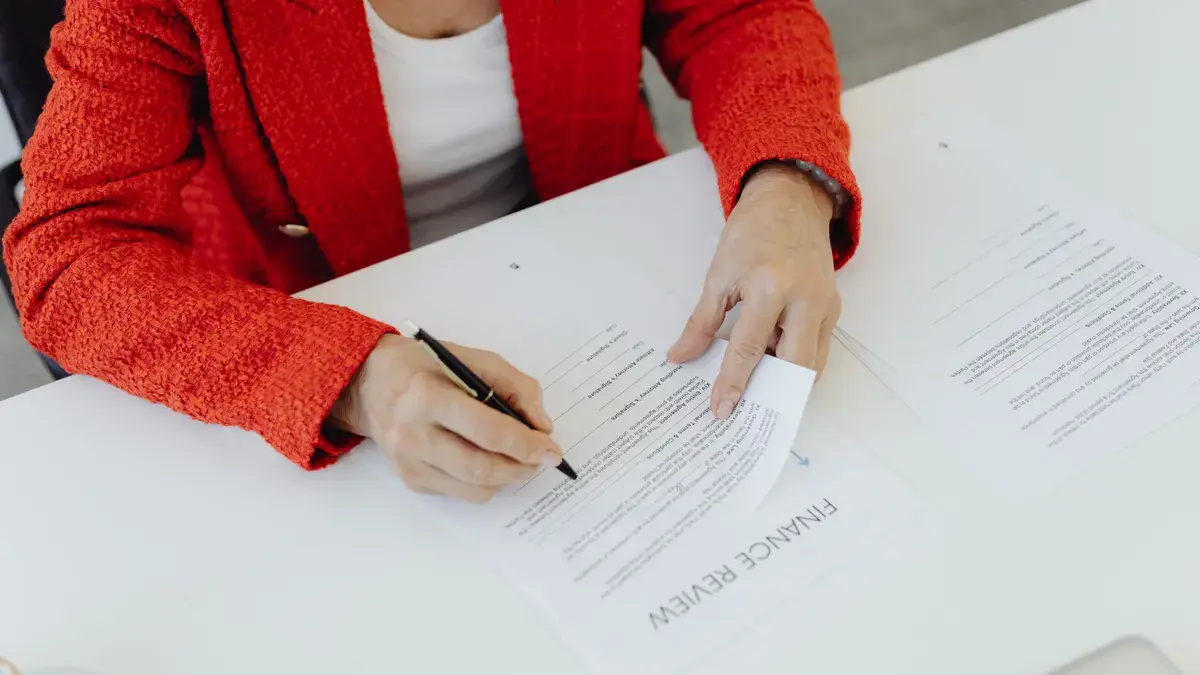
Start by finding the exact sentence that mentions the property, the limit, the certificate, and any named insurance type. A clause that names general liability, inland marine, or property insurance means different things. A clause that only says “insured” without naming the policy can leave too much room for a bad assumption. For guidance on certificates and endorsements, see the inland marine insurance page and the NAIC consumer resources.
Read the rest of the clause for three terms: borrowed items, care, custody, and control, and any mention of “while in your possession.” Borrowed items usually means something you temporarily hold, not something you own. Care, custody, and control usually means the item is being handled, stored, or used by you in a way that can change how a claim is treated; if the wording is unclear, consult a qualified insurance professional before you rely on it.
If the clause is tied to a finished deliverable, a site visit, or a short-term checkout, note the time window. Even a 1-day loan can be enough to trigger the requirement. If the wording is broad and you cannot tell what it means, stop and get the contract reviewed before you rely on any policy assumption.
How do I handle a contract that mentions borrowed client property?
Handle it by matching the clause to the policy language, line by line, before you agree to the job. Use this process in order, and keep each step tied to the exact item, time window, and risk the client described.
-
Copy the contract clause into a 3-line note and identify the item, the borrowing period, and the required proof. Verify whether the clause names general liability insurance, inland marine insurance, or property insurance. If the clause does not name a policy, the problem is ambiguity, not missing coverage.
-
List the client property by type, serial number if available, and estimated value if the client provides it. Verify whether the item is a tool, camera, prototype, sample, or other physical object. If the contract covers “any property,” the scope may be too broad to assess without more detail.
-
Check the general liability form for a care, custody, and control exclusion. Verify whether borrowed property is excluded, limited, or covered by a specific endorsement. If the policy language excludes property in your care, the clause may not be satisfied by general liability alone.
-
Compare the inland marine wording with the job type and possession period. Verify whether the policy covers movable property, temporary possession, or equipment damage while you transport or store the item. If the policy only covers your own gear, it may not fit client-owned property.
-
Review the property insurance wording for who owns the property and where it is insured. Verify whether the form insures only your business property or also property belonging to others. If it only insures your owned property, it may not answer the contract requirement.
-
Ask for the insurer or adviser to point to the exact clause that responds to borrowed property. Verify the answer in writing, not by phone memory. If no one can point to the contract between the policy and the risk, assume the gap still exists.
-
Document the handoff, condition, and return of the item with date-stamped notes and photos. Verify the item’s condition at pickup and return, and note any pre-existing wear. If the item has no condition record, a damage claim can become a dispute about what happened when.
-
Confirm whether the client wants to be named as additional insured, a loss payee, or simply shown proof of insurance. Verify the exact wording before work starts. If the client wants something your policy cannot provide, you need to know that before the item changes hands.
Because those three terms point to different risks, a good result is simple: the clause and the policy line up, the client accepts the proof, and you know who is responsible if the item is damaged during the loan. A bad result is equally clear: the client assumes you are covered, but the policy excludes the borrowed item because it was in your care, custody, and control.
Does general liability cover borrowed client property?
General liability may cover borrowed client property, but it often depends on the policy’s exclusions and endorsements. The phrase that matters most is usually care, custody, and control, because that is where many borrowed-property claims get denied or narrowed.
General liability is built to handle third-party injury and damage, not to act like a full property policy for items you are temporarily holding. If the contract is about a camera, tool, laptop, sample, or prototype that you borrow, the policy may not respond the way the client expects. That is why many readers get stuck at the contract stage rather than after a loss.
The right question is not “Do I have liability insurance?” but “Does this liability form cover this item while I possess it?” If the answer is unclear, the clause is not solved yet. A contract can ask for insurance, but a policy still has to match the risk in writing. For more on liability wording, see the general liability insurance guide and the III explanation of what GL typically addresses.
When is inland marine the better fit?
Inland marine is often the better fit when the borrowed item is movable and the risk comes from temporary possession, transport, or jobsite use. This form is commonly used for property that moves, unlike a fixed building policy.
That does not mean inland marine always covers every borrowed item. The form still has to name the type of property and the circumstances that apply. A policy for your own equipment can be different from one that covers client-owned property you hold for a short time.
The useful test is practical: if the item travels with you, sits in your temporary workspace, or is handed back after the project, inland marine may be the policy family the clause is pointing toward. If the item stays in one fixed location or the contract is really about the client’s building contents, property insurance may be the more relevant label. The terms can overlap, but they are not identical. For definitions and examples, see the inland marine insurance page and the NAIC consumer pages.
What should I check before I sign?
Therefore, you should check the contract’s wording, the policy’s exclusions, and the return process before you sign anything. This is the point where small differences in language can change the outcome of a claim.
Look for four details first: the exact property name, the possession period, the damage standard, and any proof format the client wants. A request for “certificate of insurance” is not the same as a request for a client-specific endorsement. A request for “insured while in your possession” is not the same as a request for “insured at all times.”
Then check the condition of the borrowed item before you take it. Even a small scratch or dent can matter if the client later says the item was undamaged at pickup. A short handoff form, a dated photo set, and a return receipt are boring tools, but they are often the clearest evidence in a dispute. For certificate basics, see the certificate of insurance guide.
When should I stop and get qualified help?
Once the contract and the policy do not clearly match, stop and get qualified help. A vague answer is not enough on a finance issue that can affect a claim.
The contract names a specific limit or endorsement you cannot identify: that means the client may be demanding a policy change, not a general certificate — ask a licensed adviser or insurer to map the clause to the form.
The item is unusually valuable or one-of-a-kind: that raises the cost of a mistake and may need special wording — do not guess based on a standard form.
The property is held for more than a brief loan: longer possession can change the exposure — get the arrangement reviewed before accepting the item.
The client wants coverage for damage, theft, and loss with no exclusions: that is broader than many standard forms — consult a licensed insurance professional or attorney to review the wording before you agree.
The policy says borrowed property is excluded or limited: the answer is already in the wording — do not assume the client’s requirement overrides the policy.
You cannot tell whether the item counts as client property, rented property, or your own temporary use item: that classification matters — ask for help before the item moves.
Who this is not for: if you are trying to use a single sentence in a contract to make all property risk disappear, this approach will not do that. It helps you identify the coverage gap and the paperwork you need; it does not erase the underlying risk.
What mistakes do people make most often?
The most common mistake is assuming general liability automatically covers anything borrowed. That can leave a gap if the policy excludes property in your care, custody, and control. The better move is to match the clause to the exact policy language before the project starts.
Another mistake is treating “insured” as a yes-or-no label without checking the limit and the scope. A client may think the certificate proves coverage for borrowed property when it only shows a policy exists. The correct alternative is to verify what the policy actually responds to, not just that it exists; if you are unsure, ask a qualified adviser to review the certificate and endorsement.
A third mistake is skipping documentation because the item is only borrowed for a short time. A 2-hour loan can still create a dispute if damage is discovered later. The better practice is a condition note at pickup and return, plus clear dates.
A fourth mistake is assuming inland marine is always the answer. That form can help with movable property, but it still has to fit the job and the item. The correct alternative is to compare the policy wording against the actual possession pattern.
A fifth mistake is ignoring the client’s contract language until the day the work starts. By then, the borrowing arrangement may already be locked in. The better alternative is to read the clause before you accept the item, not after.
How does this change with edge cases?
Because the property is not ordinary borrowed gear, it changes whenever the property is rented, leased, sealed, or handled by a third party before it reaches you. The chain of possession matters because each handoff can change who is responsible.
If the item is damaged equipment with known wear, document that wear before you accept it. If the item is fragile, get the condition note even more precise. If the item is stored overnight, note the storage location and who had access. These details matter because a borrowed-property claim often turns on where the item was and who controlled it.
If the contract mixes several risks in one sentence, separate them. For example, a clause that asks for property insurance, damage cover, and proof of transport risk may be talking about three different exposures. That is where many readers overread one policy form and underread the contract.
Then, if the item is returned to a person other than the original client contact, record that transfer too. A signed return to the wrong person can create a simple problem with an expensive argument attached.
FAQ
Does general liability cover borrowed client property?
Sometimes, but not automatically. General liability may respond if the policy language allows it and if the borrowed item is not excluded under care, custody, and control. The exact contract wording and the exact policy wording both matter, so a clause-based review is the only reliable way to know.
What is care, custody, and control?
Care, custody, and control is a policy term that points to property you are handling, storing, or using as part of the job. It matters because many general liability forms limit or exclude property in that category. If the client’s item is in your hands, that phrase can become the core issue in the claim; if the wording is unclear, consult a licensed insurance professional.
Should I add inland marine for borrowed equipment?
It may be the relevant coverage family when the item is movable and only in your possession temporarily. Inland marine is often used for property that travels or changes location, but the form still has to match the item and the job. A licensed adviser should confirm the fit for your contract and policy.
Sources to verify wording
The most useful outside references are the policy form itself, the insurer’s endorsements, and insurance organizations such as the Insurance Information Institute and the National Association of Insurance Commissioners. Those sources help you read the language, but they do not replace the contract, the certificate, or a professional review of your own situation. For general policy terms and endorsements, compare the form against your insurer’s documents and the contract clause before you rely on any interpretation.
Drafted with AI; not yet reviewed by a person.
