

Last updated: November 20, 2026
A freelancer claim summary for your insurer is a short, factual account of what happened, who was involved, what was damaged, and what action you want the insurance carrier to take. This is information, not financial advice, and a qualified adviser should be consulted for your own situation. The goal is to make the adjuster’s review faster by matching your summary to the attachments, not by arguing the case in 2 pages of emotion.
Key takeaways
- Keep the summary factual, dated, and tied to the documents you send.
- Name the client, the job, the issue, the damage allegation, and the action you want.
- Use plain language and leave out blame, guesses, and side stories.
- Match every claim to an attachment, such as an invoice, email, screenshot, or contract.
- If the matter has moved into a formal dispute or legal threat, stop and get qualified help before you write more.
Who is this for?
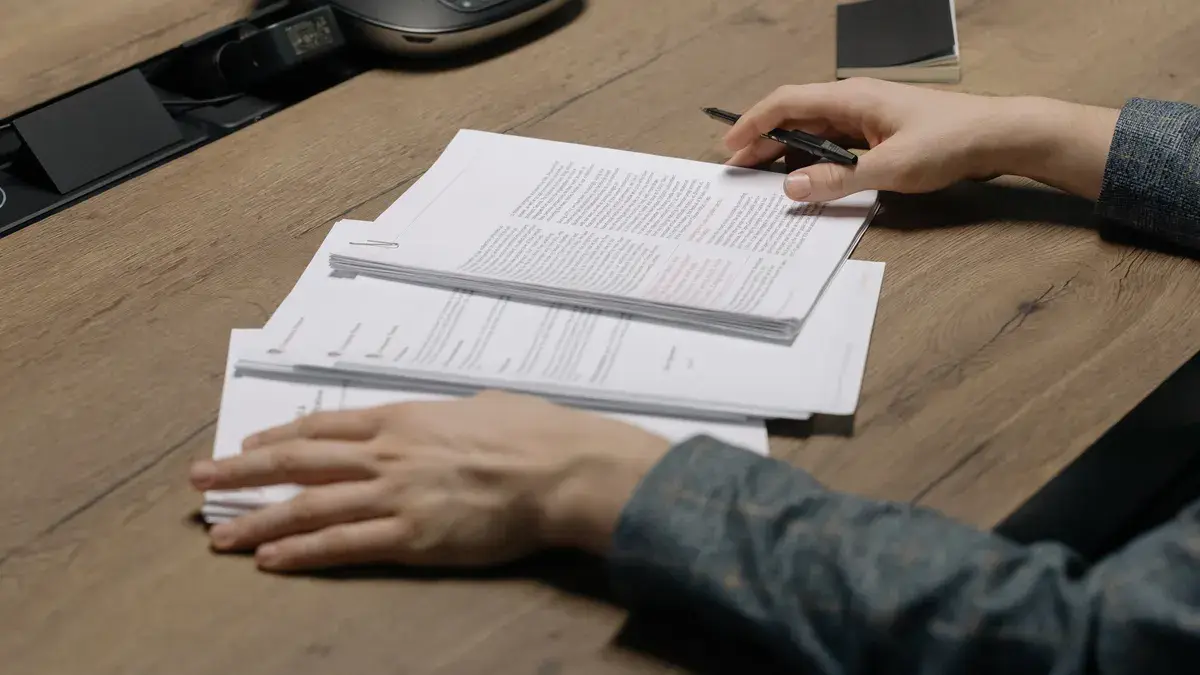
This is for freelancers who need to file a claim with an insurance carrier and want a clean summary that an adjuster can read in under 5 minutes. It assumes you already know the basic facts of the job, have your contract or agreement, and can gather the records that show dates, messages, and the damage allegation.
This is not for a full legal statement, a client apology, or a long story about the project. If the claim involves a formal dispute, a coverage denial, or a demand letter, a qualified claims professional or lawyer should review the wording before it goes out. That matters because a claim summary can shape how the file is opened, and careless wording can create problems that are hard to unwind later.
A good summary also sits inside a larger paper trail. The hub on freelance insurance claim preparation and documentation covers that broader process; this page stays focused on the summary itself.
What should a claim summary include?
A claim summary should include six parts: the issue summary, what happened, who was involved, the damages claimed, the supporting documents, and the requested action. Those pieces give the adjuster a map of the file without forcing them to hunt through a 40-email chain or a 12-page attachment set.
Use the language of the policy file, not the language of an argument. A phrase like “client dispute” is clearer than “they are trying to blame me,” and “damage allegation” is clearer than a long explanation about motives. The point is to state the facts in a way that can be checked against records.
| Part of the summary | What it answers | What to avoid |
|---|---|---|
| Issue summary | What kind of claim this is | A vague opener like “something went wrong” |
| What happened | The sequence of events | Opinions, blame, or speculation |
| Who was involved | Names and roles | Nicknames or unclear references |
| Damages claimed | What the client says was lost | Unsupported totals or guesses |
| Supporting documents | What proves the timeline | Dumping files with no labels |
| Requested action | What you want the carrier to review | Demands that go beyond the policy issue |
For a freelancer, this structure matters because the adjuster is comparing your summary with the contract, the invoice, the messages, and any damage photos. If the summary says one thing and the attachments say another, the file looks messy before anyone even reaches the coverage question.
How do you write it step by step?

Write it in 7 steps, keep it to 1 page if you can, and match every statement to a record you can attach or cite. A claim summary is not a memoir; it is a compact file note for an insurance carrier.
- Start with the claim label and date range: Write the project name, the client name, the policyholder name, and the incident date range at the top, using the exact names from the invoice or contract. Verify the names match your documents, and check that the dates line up with the email thread. If the names differ across files, that is a sign the adjuster may need clarification before reading further.
- State the issue in one sentence: Say whether this is a client dispute, a damage allegation, a loss, or another covered event, using a plain sentence of 20 words or fewer. Verify that the sentence names the problem without assigning fault. If you need 4 or 5 sentences to explain the issue, the opening is already too broad.
- List what happened in order: Give the timeline in 3 to 6 short sentences, from the first relevant event to the last one before the claim. Verify that each event can be tied to a message, file, photo, or date stamp. If you cannot place an event on a timeline, leave it out until you can support it.
- Name who was involved and what each person did: Identify the freelancer, the client, any contractor, and any other person directly tied to the damage allegation. Verify that each role is clear, such as “client approved draft 2” or “editor requested revisions on 14 May.” If a person’s role is unclear, the adjuster cannot tell who saw what.
- Describe the claimed damage or loss: State what the client says was harmed, delayed, deleted, or made unusable, and keep the wording close to the source document. Verify whether the claim is about property, work product, time, or cost. If the alleged damage changes from one message to the next, note that in a separate sentence rather than folding it into the main claim.
- Attach the supporting documents and label them: List each attachment by name, such as contract, invoice, screenshot, email, photo, or repair estimate, and number them if there are more than 3. Verify that the summary mentions the same facts those documents show. If an attachment does not support a sentence in the summary, remove the sentence or replace the file.
- Finish with the requested action: State the review you want, such as assessment of coverage, review of the damage allegation, or consideration of the claim under the policy terms. Verify that the request stays within the claim file and does not demand a result. If the final line sounds like a demand letter, not a summary, soften it.
A short worked format helps. A 5-paragraph summary often reads better than a wall of text, because the adjuster can scan it once, then compare it with the 6 attachments. If you use bullet points, keep them to the facts and avoid decorative wording.
What details make it easier for an adjuster to compare?
The easiest summaries to review are the ones that mirror the file labels the adjuster will already use. That means dates in one format, names spelled the same way across the summary and attachments, and a clear link between each claim and the paper that supports it.
The best comparison points are the ones an adjuster can check in under 2 minutes: the contract date, the invoice number, the date of the client message, the date of the damage allegation, and the date you first reported the issue. If your summary leaves out one of those anchors, the carrier may have to ask for a second round of clarification.
This is where many freelancers over-explain. A 300-word story about stress does not help as much as a 6-line timeline with labels. If the file includes a screenshot, say what it shows; if it includes an estimate, say what it covers. Do not make the reader guess.
Two authoritative places often used for general consumer insurance guidance are the Insurance Information Institute and the National Association of Insurance Commissioners. Their material is useful for general claim handling terms, but your policy language and local rules still control the file.
When should you stop and get qualified help?
You should stop drafting on your own when the issue has moved past a simple factual summary and into a rights question, a coverage question, or a legal dispute. In those cases, wording can affect how the claim is read, so a qualified professional should review the file before it is sent.
The insurer has issued a denial or a reservation of rights: This means the carrier may refuse part or all of the claim, or may cover it under conditions — ask a qualified claims professional or lawyer to review the next draft before you submit anything more. A summary written without that review can accidentally narrow the issue.
The client is threatening legal action: This means the file may become part of a legal record — stop adding commentary and get qualified help before you send another version. A casual sentence can be quoted later.
The claim involves a large amount relative to your work fees: This means the stakes are high enough that a small wording mistake can matter more than usual — have a professional review the summary and attachments. A 1-page summary can still carry weight if the loss is significant.
You do not know the sequence of events exactly: This means the timeline is uncertain — gather records first and do not guess. A summary with guessed dates is weaker than one that says “date pending confirmation.”
The client and the insurer disagree about what was damaged: This means the claim has a technical dispute, not just a paperwork issue — keep the summary factual and get help if the carrier asks for a more formal statement. The wrong wording can make the file look inconsistent.
Your contract, emails, and invoices contradict each other: This means the records do not yet support one clean story — pause and reconcile the file before writing the summary. If the documents conflict, the adjuster will spot it fast.
What are the most common mistakes?
The most common mistakes are the ones that make a summary sound emotional, incomplete, or hard to verify. Each one slows the adjuster down and can lead to another round of questions.
-
Writing a blame statement instead of a fact statement. The consequence is that the summary reads like a dispute brief, not a claim note. The better move is to state what happened and let the file show the rest.
-
Leaving out the dates. The consequence is a broken timeline, which makes it hard to see whether the event falls inside the policy period or the project period. The better move is to use exact dates or a clear date range.
-
Mixing up the client’s allegation with your own view. The consequence is confusion over what is proven and what is contested. The better move is to separate “the client says” from “the attached record shows.”
-
Attaching documents without labeling them. The consequence is that the adjuster has to guess which file proves which point. The better move is to number the documents or list them in the same order as the summary.
-
Making the summary too long. The consequence is that the reader buries the key point in 2 or 3 pages of extra detail. The better move is to keep the summary tight and move backup detail into attachments.
-
Asking for a result instead of a review. The consequence is that the summary reads like pressure, not cooperation. The better move is to request review of the facts and the policy issue, then stop.
A clean summary is usually shorter than the full paper trail by a wide margin. If the summary starts to look like a 900-word explanation, trim it back to the facts that matter to the claim file.
What if the case does not fit the standard format?
The standard format needs changes when the incident has no single damage event, when several clients are involved, or when the paper trail is thin. In those cases, the summary still needs the same 6 elements, but the order may change.
If there are 2 clients, list them separately and give each one a short timeline. If there is no clear damage amount yet, say that the amount is pending and explain what document will show it, such as a repair quote or revised invoice. If the dispute is about work quality rather than physical damage, make the allegation clear and avoid mixing in unrelated project complaints.
If the issue covers a long project, split the facts into blocks of time, not by emotion. A 3-month job may need a timeline with 4 or 5 dated entries instead of one long paragraph. The reader should be able to compare each block with a message chain or file version.
If the carrier has asked for a specific form, use that form first and let the summary fit around it. A free-form note is useful only when it helps the adjuster connect the form to the attachments. If your insurer wants a different format, follow that format and keep this summary as the cover note.
How long should it be?
A claim summary should be long enough to cover the facts and short enough to read in one sitting, usually around 1 page. That is usually enough room for the issue, the timeline, the people involved, the claimed damage, the documents, and the requested action.
If the file is simple, 3 to 5 short paragraphs may be enough. If the file has a long timeline, a few bullet points can help, but the reader still needs a single opening sentence that states what the claim is about. If the summary spills into multiple pages, it often means the attachments are doing the real work and the summary is repeating them.
A good summary leaves the adjuster with 3 things: what happened, what supports it, and what review you want. If all 3 are clear, the summary has done its job.
What should a claim summary include?
A claim summary should include the issue, the timeline, the people involved, the claimed damage, the supporting documents, and the action requested. Those are the parts an adjuster can compare against the file without guessing. If one of those parts is missing, the summary is not complete enough for a quick review.
How long should my claim summary be?
A claim summary should usually fit on about 1 page and stay focused on the facts that affect the claim. If it runs longer, the file may need tighter editing or better attachment labels. The goal is not word count; it is clarity that an insurer can verify against the record.
Should I admit fault in a claim summary?
A claim summary should not guess fault, because the purpose is to report facts, not decide liability. Use neutral wording about what happened and what was alleged, then let the insurer review the policy and the evidence. If the matter is already a formal dispute, get qualified help before you send a new version.
Drafted with AI; not yet reviewed by a person.
