
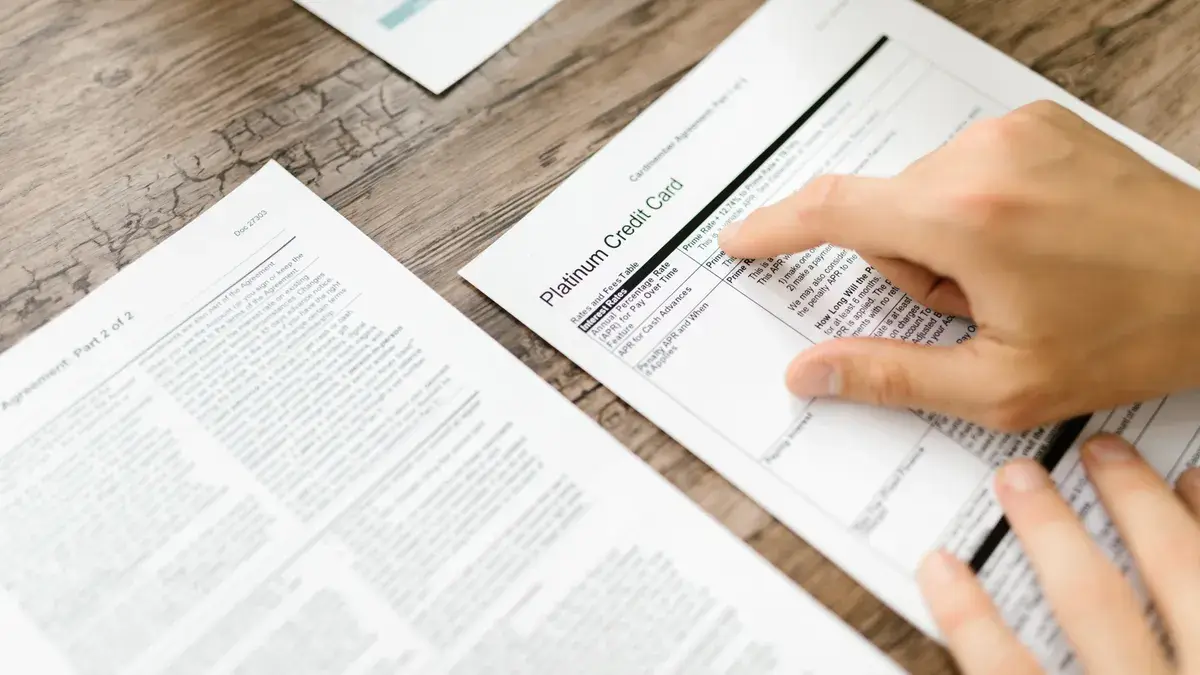
Last updated: November 27, 2026
How to Handle a Freelance Contract That Requires Insurance for a Client-Owned Venue
Quick Answer: Handle a freelance contract that requires insurance for a client-owned venue by checking the exact clause against your policy before you sign; in many cases, one venue request can turn on 1 endorsement, 1 certificate, and 1 address match. For How to Handle a Freelance Contract That Requires Insurance for a Client-Owned Venue, the safest first step is to compare the contract wording with your general liability policy, then confirm whether the client wants additional insured status, tenant liability language, or proof tied to that specific venue. This is information rather than financial advice, and a qualified adviser should review your own situation.
Key takeaways
- A client-owned venue clause is usually about who bears the cost if property damage or injury happens on that site.
- The first thing to check is whether your general liability policy actually covers the venue use the contract describes.
- If the client asks for additional insured status, the certificate alone is not enough; the policy wording matters.
- Tenant liability and premises liability are not the same thing, even when the venue is the client’s property.
- If the contract names a building, room, or date-specific event, the proof of insurance has to match that location language exactly.
What does a client-owned venue insurance clause mean?
A client-owned venue insurance clause means the contract is asking you to show insurance that responds to incidents tied to a venue the client owns or controls. In practice, that usually points to general liability insurance, and sometimes to premises liability or tenant liability wording if you are using the space as if you were a temporary occupant.
The clause is usually about two things: bodily injury and property damage. If a guest trips over your cable, or if your work setup damages the venue’s floor, the contract may expect your policy to respond rather than the client’s. The language can also require the venue itself to be named as an additional insured, which means the venue gets some protection under your policy for claims connected to your work.
This is not a one-size-fits-all clause. A gallery, banquet hall, theater, or private club may each use different wording in a 2-page addendum, and the difference can change what your policy must say. If the contract names tenant liability, it is usually pointing at damage from your use of rented or occupied space, not general business risk everywhere you work.
For a broader overview of related contract terms, the hub page on freelance insurance for client contract requirements covers the main insurance language families. On the venue side, the key question is not “Do I have insurance?” but “Does this policy respond to this venue, this use, and this client’s wording?” For related guidance, see the certificate of insurance page and the tenant liability page.
How do I handle the clause step by step?
You handle it by reading the exact venue wording, checking your policy, and matching the certificate to the contract before you agree to the job. The order matters because a certificate of insurance is only evidence of coverage, not proof that every clause in the contract is satisfied.
- Pull the contract language and mark every phrase that names the venue, including the exact building name, room, address, and any “additional insured” line. Verify whether the clause says “must provide,” “must maintain,” or “must name,” because those words change the duty. If the clause is vague, that is a problem.
- Open the policy declarations page and find the type of coverage listed, usually general liability. Verify that the policy is active and that the venue activity fits the policy’s business description. If the declarations page does not mention the kind of work or site use you are doing, the mismatch needs attention.
- Check the endorsement schedule for additional insured wording, if the client demands it. Verify whether the venue can be added by endorsement or only as a certificate holder, because those are not the same. If the insurer will not issue the needed endorsement, the contract requirement is not met.
- Compare the venue role against tenant liability and premises liability terms. If you are unsure whether you are treated as a tenant, a temporary occupant, or only a vendor with brief access, ask a qualified broker or attorney to review the contract and policy wording, because the classification can change what the clause means. If the contract treats you like a tenant but your policy only covers short-term vendor work, the gap matters. See the Insurance Information Institute’s general liability guidance for the underlying coverage concepts.
- Ask for the certificate form the client wants, often an ACORD 25 certificate of liability insurance. Verify the certificate shows the venue name, policy dates, and any wording the client has requested. If the venue is missing from the certificate, the client may reject it even if your policy is fine.
- Match access rules to the contract’s venue controls, such as loading docks, restricted rooms, or off-limits storage. Verify that your work plan fits those rules for the full duration of the event or project. If the contract assumes access to an area your work cannot use, the insurance ask may be a sign of a broader contract mismatch.
- Confirm the geographic scope by checking whether the proof of insurance is tied to one location or several named venues. Verify that the address on the certificate matches the venue the client controls. If the contract is for one site and the certificate references a different site, that is a red flag.
- Keep one written record of the request, the policy response, and the final certificate. Verify that the version you send back matches the signed contract, not an earlier draft. If the client changes the venue clause after approval, the old proof may no longer fit.
Two public sources worth reading on the underlying insurance concepts are the Insurance Information Institute’s general liability coverage pages and the U.S. Small Business Administration’s business insurance guidance. They do not replace your policy wording, but they help explain why a venue clause can be broader than a normal business insurance question.
What should I check before I sign?
You should check the venue’s exact insurance demand, your policy’s exact wording, and whether the client needs proof tied to one location or to the venue itself. A 1-line clause can hide a lot of risk because it may ask for a specific endorsement, a certificate, or both.
Start with the name of the insured party. If the contract asks for “the venue as additional insured,” the venue usually wants its own name on the policy endorsement or on the certificate as required by the insurer’s process. If it asks only for “proof of insurance,” a certificate may be enough, but only if the insurer can issue it correctly.
Then check the type of venue use. A daytime interview in a lobby, a workshop in a private hall, and a full-day installation in a rented ballroom can trigger different exposure. Premises liability usually relates to accidents on the property, while tenant liability often comes up when the renter is responsible for damage to the space. Those are close ideas, but they are not identical.
Last, check the claim trigger. Some contracts care only about incidents during the event; others want the venue protected for claims arising from your presence, your equipment, or your subcontractors. If subcontractors are involved, the venue may want the same coverage flow-down to them, which is a common place where freelancers miss a line in the contract.
When should you stop and get the wording reviewed?
You should stop and get the wording reviewed when the clause asks for more than a standard certificate can fairly show. That is the point where a bad assumption can leave the contract out of sync with the policy.
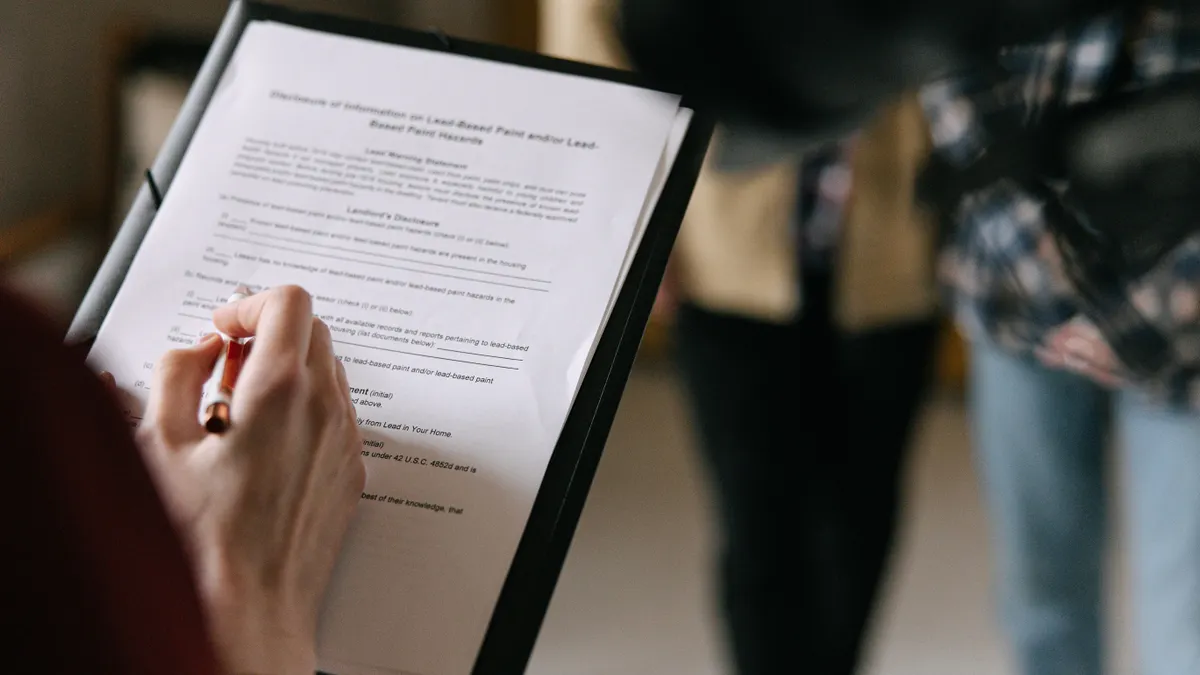
The contract says “name the venue as additional insured”: If that is the wording, the venue is asking for direct policy status, not just a certificate, so a qualified broker or attorney should confirm that the endorsement matches the contract before you rely on it.
The venue is a client-owned building with access controls or tenant rules: This points to tenant liability and premises issues, so pause if you cannot tell whether your policy covers occupied-space damage and have the wording reviewed by a professional.
The certificate must name a specific address or room: That means the proof is location-based, and if the address is blank or wrong, a broker or attorney should confirm whether the certificate and policy still satisfy the clause.
The contract includes altered duty language like “hold harmless” or “indemnify”: This can shift financial responsibility beyond insurance wording, so get the clause reviewed before you sign if you do not understand who pays first.
The venue asks for coverage that your insurer will not endorse: That means the requirement and the policy do not match, so do not promise compliance until you know what the insurer can issue and a qualified adviser has checked the risk.
The job spans multiple dates or multiple rooms: This can create more than one site exposure, so do not assume one certificate covers every venue use without checking the addresses and dates, and get professional review if the schedule is complex.
What mistakes cost freelancers the most?
The biggest mistakes are usually simple: reading the certificate instead of the policy, assuming “insured” means “protected,” and sending the wrong venue name. Those errors can turn into rejected paperwork, a delayed start, or a claim that lands outside the contract language.
-
Using a certificate alone. A certificate shows evidence of coverage, but it does not change the policy. The fix is to check the actual endorsement and declarations page before you send anything.
-
Missing the additional insured wording. If the venue wants to be listed and you only send a standard certificate, the client may say you are not compliant. The fix is to confirm whether the insurer can issue the endorsement the contract names.
-
Confusing tenant liability with premises liability. Those terms sound similar, but they point to different legal and insurance responsibilities. The fix is to ask which one the contract means and match that to the policy language.
-
Copying the wrong venue address. A single digit error in the address can make the certificate useless for that site. The fix is to compare the contract, the certificate, and the venue’s legal name line by line.
-
Ignoring venue access rules. If your setup depends on loading access, storage, or floor access that the venue does not allow, the insurance check may mask a work-planning problem. The fix is to align the contract terms with the actual site rules before the event day.
-
Assuming one form works for every client-owned venue. A theater, hotel ballroom, and private club can ask for different proof. The fix is to treat each venue clause as a separate request, even if the policy is the same, and confirm the fit with the insurer or a broker.
When does the usual approach not fit?
The usual approach does not fit when the venue clause asks for something your policy cannot support as written. In those cases, the issue is not paperwork speed; it is a coverage mismatch.
If the contract demands the venue be an additional insured and your insurer will not issue that endorsement, the standard certificate route does not solve the problem. If the venue wants location-specific proof and your certificate is tied only to your business name, the gap stays open. If the clause uses tenant liability language but your work is closer to a short vendor visit, the contract may be asking for the wrong kind of proof.
The same caution applies when the venue is used repeatedly over more than one booking. A single 2024 certificate, for example, does not automatically satisfy a later job just because the venue name is the same. Policy dates, endorsement dates, and the exact contract date all matter.
This is also where country rules matter. Insurance forms, certificate practice, and contract language differ by country and can change often, so a clause that is ordinary in one place may be handled differently elsewhere. If the venue clause is tied to a large payment, a long event, or a dispute over liability, qualified help is the right next step.
What does a good result look like?
A good result is a contract that says what the venue needs, a policy that can actually support that wording, and a certificate that matches both. The reader should be able to point to one venue name, one policy type, and one coverage path without guessing.
In practice, that means the venue name is correct, the certificate shows the right address, and the client gets the form they asked for within the policy’s limits. It also means the freelancer knows whether the clause is about general liability, additional insured wording, premises liability, or tenant liability, rather than using those terms as if they were interchangeable.
A good result is not “the client seemed happy.” It is documented compliance with the venue clause, or a clear record that the contract had to be revised because the insurance demand did not match the policy. That record matters if the venue later asks for proof again.
FAQ
What is a venue liability requirement?
A venue liability requirement is a contract clause that asks the freelancer to show insurance tied to a client-owned or client-controlled space. It usually points to general liability insurance and may also ask for additional insured wording, premises liability, or tenant liability language. The exact phrase in the contract controls what proof is needed.
Who should be named as additional insured at a venue?
The venue named in the contract should be the party listed as additional insured if the clause asks for that status. In some contracts, the venue owner, the management company, or a related entity is the named party, and the legal name matters. If the contract is unclear, the name should be confirmed before the certificate is issued.
Can a freelancer use the same policy for multiple venues?
A freelancer can often use the same policy for multiple venues if the policy and endorsements allow it, but the proof still has to match each venue’s contract language. A single policy does not erase the need to check the address, additional insured wording, and date of coverage for each site. If the venue terms differ, each one needs to be checked separately.
Drafted with AI; not yet reviewed by a person.
