
Last updated: November 24, 2026
A freelance insurance plan for a home-based office and remote work setup starts with three questions: what can be damaged, whose property is involved, and how work is delivered online or off-site. This is information, not financial advice, and a qualified adviser should be consulted for your own situation.
Key takeaways
- A home-based freelance setup creates insurance questions that a normal home policy may not answer well.
- The plan should map four exposures: home office operations, client property, business personal property, and remote service delivery.
- The first job is not buying coverage; it is sorting which risks belong to the home policy and which belong to the freelance business.
- The biggest mistakes are assuming a home policy covers business use, ignoring client materials, and skipping online delivery risks.
- Some situations need qualified help because the wrong coverage gap can leave a claim unpaid.
Who this plan is for
This plan is for a freelancer who works from home, keeps business property in the house, and delivers work remotely by email, cloud tools, video calls, or shared platforms. It assumes you already know the basics of your home office, your freelance business, and the client materials you handle, even if you do not yet know how each risk is insured.
It is a bad fit if your work involves a public storefront, regular client visits, stored stock for resale, or equipment and materials that stay with you on the road most of the time. Those setups can trigger different policy terms, especially around business personal property, off-premises loss, and liability from client visits. If the work space, tools, or delivery method is unusual, the right next step is to get help from a qualified insurance adviser who can read the policy language against your actual setup.
A useful starting point is the small business insurance guidance from the U.S. Small Business Administration and the home office guidance from the IRS:
https://www.sba.gov/business-guide/launch-your-business/get-business-insurance
https://www.irs.gov/businesses/small-businesses-self-employed/home-office-deduction
How does a home-based freelance insurance plan work?
A home-based freelance insurance plan works by matching each business risk to the policy that is meant to handle it. The home policy may address the dwelling and household contents, but it often treats business use differently, which is where gaps appear.
For a freelancer, the main questions are simple: if client materials are lost, damaged, or stolen, who pays; if a visitor slips in the home office, which policy responds; and if work is delivered online, what happens when a message, file, or access error creates a claim. That last point matters even when the work is fully remote, because a remote work setup can create liability without any one being physically present.
The plan is not built around a single policy name. It is built around the business facts: where the work happens, what is stored there, what belongs to clients, and how the service is delivered. That is why two freelancers with the same laptop can still need different insurance structures.
How do I build the plan step by step?
Build it by mapping the work first, then matching each risk to the right policy language. Start with the facts of the setup, not the policy brochure.

- List the work space and use pattern. Write down each room, desk area, storage shelf, and any shared space used for business. Mark whether the work happens 100% at home, partly at client sites, or in both places, because the location pattern changes how a home office is treated under many policies. If the setup is unclear, the problem is not the policy yet; it is that the risk map is incomplete.
- Inventory business property with a 1-page list. Separate business personal property from household items and client materials. Note the item type, what it is used for, and whether it stays at home or moves outside the home. If an item cannot be sorted into one of those buckets, that usually signals a coverage question that needs to be checked before a loss happens.
- Identify client property handled at home. Write down any original documents, samples, prototypes, records, or other client materials that come into the home office. The key issue is custody: if you hold someone else’s property, the loss trigger may be different from your own equipment. If client property is not listed, the plan can miss one of the highest-friction claims in a remote setup.
- Map the delivery channel for remote work. Note whether work is sent by email, cloud drive, project platform, video call, or a direct file transfer. Remote delivery creates exposure when a file is sent to the wrong person, a link is shared incorrectly, or access is lost during handoff. If the service chain has more than one platform, each handoff is a place where the risk picture changes.
- Check the home policy wording for business use limits. Read the declarations page and the business-use sections line by line. Look for limits on business property, off-premises use, and liability tied to home-based work. If the wording is vague or refers you back to exclusions, the problem is the policy language, not the file cabinet.
- Match each risk to the policy type that addresses it. Home office operations, client property, and remote service delivery may sit in different parts of the insurance program. Do not assume one form handles everything just because it sounds broad. If one risk has no clear policy home, the plan is incomplete.
- Review the setup again after any change. Recheck the plan whenever the office moves, new client materials are stored at home, or the delivery method changes. A freelance business can shift from low exposure to mixed exposure in a single month if the work changes form. If the plan still describes an old setup, the coverage map has drifted out of date.
This step-by-step review is the backbone of a freelance insurance plan for home-based office work. It is also where many people stop too soon, because the file looks finished once the property list is done. It is not finished until the delivery method and client property are on the page too.
What should be checked before the policy file is complete?
The policy file should show the home office, the freelance business, and the remote work setup in the same place. That means the coverage notes, property list, and work-flow notes need to agree with each other.

A good check is whether every item has a place on the map. If business personal property is listed but client materials are not, that is a gap. If the office is at home but the work is performed for remote clients in multiple places, that is another gap. The file should also show whether the home is only the workspace or also the storage point for business property, because those are not the same risk.
This is also the point to watch for overlap. Some people assume extra coverage is always better, but overlap can be a sign that the setup was not sorted clearly. The goal is not more paper. The goal is a clean match between the business facts and the policy terms.
When should you stop and get qualified help?
Stop and get qualified help when the insurance question stops being a simple home-office issue and starts affecting claims, contracts, or property that does not clearly belong to the freelancer. That is where a wrong assumption can cost money later.
Client materials are stored for more than short-term handling: this can change the custody and damage question — get help before signing anything that assumes your home policy covers it.
The home office also stores business property that moves in and out often: off-premises use can be treated differently — ask for a review of the policy language before a loss exposes the gap.
Remote work includes confidential files or direct client access: the delivery risk is no longer just physical — have the business risk checked against the actual workflow.
The home setup has visitors, contractors, or regular client meetings: the exposure is no longer only a desk-and-laptop issue — the liability picture changes and needs review.
The policy language uses exclusions you cannot connect to your setup: unclear wording is a warning sign — stop and have it read against the real work pattern.
A freelance insurance plan is meant to fit the work, not force the work into a neat brochure. If the setup is unusual, a standard reading can miss the part that matters most.
What mistakes do people make?
The most common mistake is treating a home policy and a business plan as if they are the same thing. They are not, and that confusion leaves gaps around business use, client materials, and remote delivery. The fix is to sort the business facts first, then check each policy section against them.
Another mistake is listing tools but skipping client property. That can leave original documents, samples, and other borrowed materials outside the plan. The correct alternative is a separate line item for anything that belongs to the client, even if it only stays in the home office for 1 day.
A third mistake is assuming remote work removes risk because the business is not face-to-face. It does not. File handoffs, access errors, and platform mistakes are still part of the workflow, so the delivery method has to be part of the insurance review.
A fourth mistake is leaving the plan unchanged after the work changes. A setup that was fine for one client and one room can become wrong when the business expands into shared storage or off-site work. If the plan has not been reviewed after a change, it is already behind.
When does the standard approach need to change?
The standard approach needs to change when the home office stops being the whole story. That happens in a few specific situations, and each one changes the way the risk should be read.
If the business uses borrowed space outside the home, the location question changes and the home-based assumptions may no longer fit. If client materials are kept for longer periods, the custody issue becomes more serious. If remote delivery depends on multiple platforms, the handoff risk grows. If other people in the home use the same room or storage area, the line between household and business use gets harder to draw.
The practical rule is simple: if the work setup has more moving parts than a desk, a chair, and a laptop, the plan should be checked again. The more the business depends on storage, handling, or online transfer, the more important it is that the policy language and the real workflow match.
What does a good result look like?
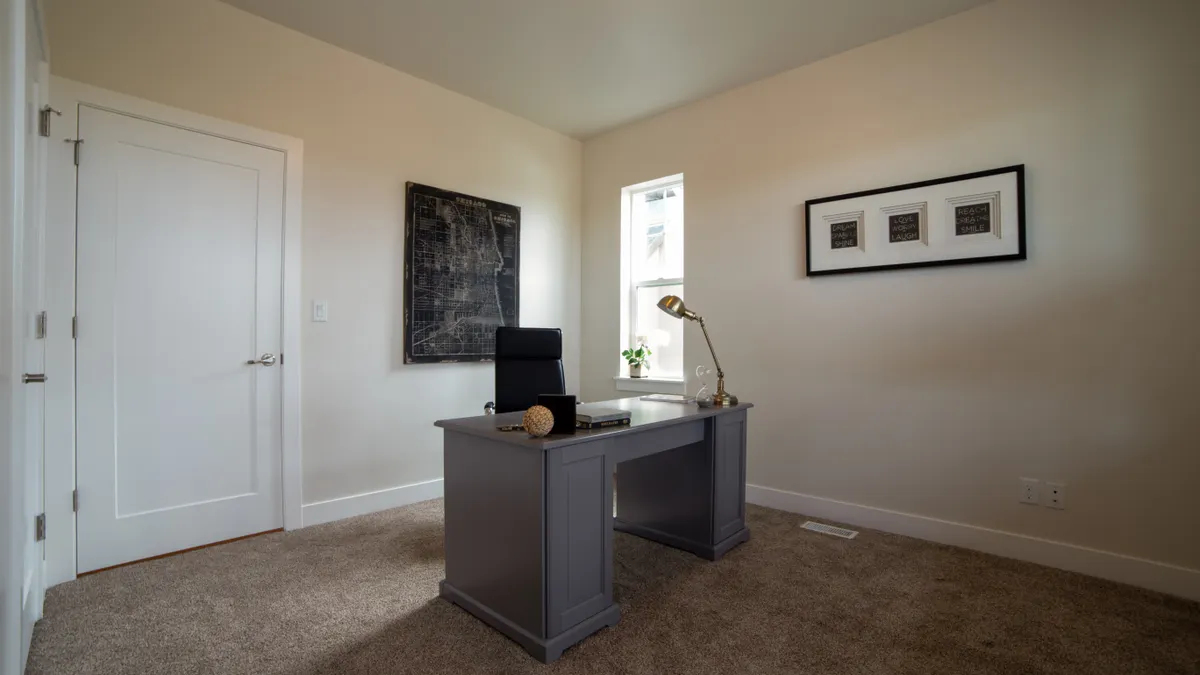
A good result is a plan where each major risk has a place, and nothing important is left to guesswork. The home office is identified, business personal property is separated from household property, client materials are named, and remote service delivery is reviewed as its own exposure.
That does not mean the plan is “complete forever.” It means the current setup has been mapped in a way that can be checked, updated, and explained. For a freelance business, that is the real goal: a clear record that tracks the room, the property, and the way the work leaves the house.
Does working from home change freelance insurance?
Yes. Working from home changes the risk profile because business activity is happening inside a personal residence, and that can affect how property and liability are treated. The change is not just about the room; it is about the mix of home use, business use, and remote delivery.
That is why a freelance business needs a separate review of home office operations, business personal property, and client materials. The fact that the work is remote does not remove the exposure.
Do i need special insurance for a home office freelance business?
Often, yes, because a home office freelance business creates risks that a standard home policy may not clearly cover. The key issue is not the word “special”; it is whether the policy language fits the actual setup.
A home office, client materials, and online service delivery can each raise different questions. If any of those parts are missing from the policy review, the plan is probably incomplete.
What is covered in a home-based freelance setup?
A home-based freelance setup usually centers on the work space, the business property kept there, and the handling of client property. It may also need review for remote delivery risks, because the work can create claims even when nobody visits the home.
What is covered depends on the policy terms and the setup details. The same room can look simple from the outside and still involve several different exposures once client materials and digital delivery are part of the job.
Drafted with AI; not yet reviewed by a person.
