
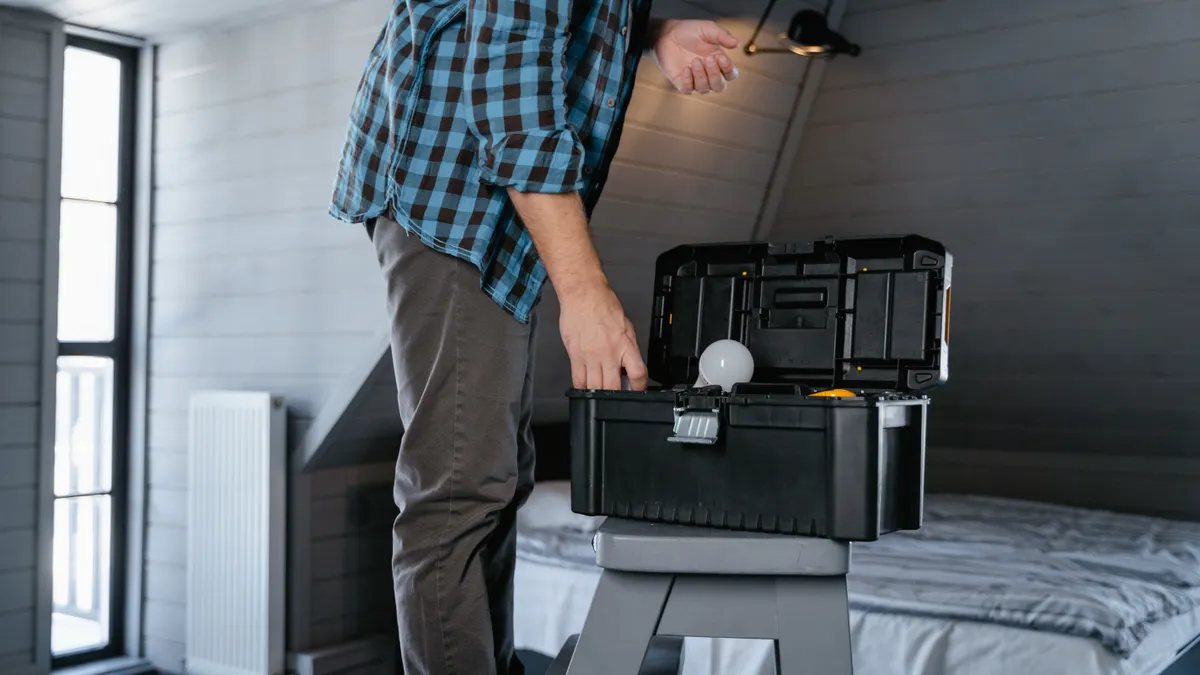
Last updated: November 22, 2026
Quick Answer: most freelance handypeople need 2 core policies for on-site jobs — general liability insurance and tools and equipment coverage. What Insurance Do Freelance Handypeople Need for On-Site Jobs? depends on where you work, but if the work puts you in a client’s home, garage, yard, or rental unit, the risk comes from what can break, who can get hurt, and what gets stolen before the job is done.
Key takeaways
- On-site repair work creates two main insurance problems: damage to someone else’s property and injury to someone on the job.
- General liability insurance is the core policy for many handypeople because it responds to property damage and bodily injury claims.
- Tools and equipment coverage matters because a van full of drills, saws, ladders, and meters can disappear in one break-in.
- A policy can still leave gaps if the jobsite, the task, or the contract changes the risk.
- This is information, not financial advice; insurance rules and terms vary by country, carrier, and policy form, so a qualified adviser should review your own situation.
Freelance handypeople need insurance that matches the way the work actually happens: on site, around other people’s property, with tools that leave the truck, and with mistakes that can turn into a claim. What Insurance Do Freelance Handypeople Need for On-Site Jobs? is usually answered by the same two coverages: general liability and tools protection. If a customer can trip over a cord, a drill can dent a floor, or a dropped fixture can crack a sink, the policy has to address that.
What does a freelance handyperson need on site?
A freelance handyperson needs coverage that matches jobsite risk, not office risk. That usually starts with general liability insurance, because it is built to respond when your work causes property damage or bodily injury to someone else.
General liability means the policy is designed around third-party loss. Third-party means the other person, not you. If you slip while carrying a ladder and damage a client’s hardwood floor, that is the kind of event this policy is meant to handle, subject to its terms, exclusions, and limits.
A generic business policy can still leave holes if it does not fit hands-on repair work. A handyperson may work in kitchens, attics, rental units, parking lots, basements, or home exteriors, and each location changes the kind of loss that can happen. One job can involve a 2-story stairwell, a wet driveway, or a small bathroom with expensive fixtures. The setting matters as much as the tool list.
This is not a page about every insurance product in the market. It is the guide for the main question: what coverage matters when you work at a client’s place. If you need help comparing business structures, client contracts, or tax treatment, consult a qualified adviser, because insurance, tax, and contract issues can overlap in ways a policy alone does not solve. For a broader map of coverage by work type, see the hub on Freelancer insurance by work type — The Complete Guide.
Useful background from official sources: the U.S. Small Business Administration has a general business insurance guide at https://www.sba.gov/business-guide/launch-your-business/get-business-insurance, and OSHA’s worker safety pages at https://www.osha.gov/workers explain why on-site hazards matter before a claim ever starts.
Why is general liability the core policy?
General liability is the core policy because it is the one most directly tied to property damage and bodily injury on a client’s site. For a handyperson, that is the center of the risk.
A simple example makes the point. A handyperson installing a shelf might drill into the wrong wall area and damage hidden plumbing. A dropped tool might crack tile. A client may trip over extension cords or a box left in a hallway. Those are not professional advice claims; they are on-site accident claims.
The policy usually focuses on three things: the injury or damage event, whether it happened during the covered business, and whether any exclusion removes it. An exclusion is a policy carve-out, and it can matter a lot. Some policies treat certain repair work differently from other trades, so a “handyperson” label alone is not enough. Because policy wording varies, consult a qualified adviser and review the insurer’s forms before you assume a task is covered. The wording of the policy decides what is in and what is out.
A handyperson should also watch for limits and deductibles. A limit is the maximum the insurer will pay under the policy terms. A deductible is the part the insured handles first. Those are not the same thing, and they affect how useful the policy feels after a claim. If the structure is unclear, the problem is not just paperwork; it can leave a repair bill sitting with the business.
General liability is often the right starting point for on-site jobs, but it is not a cure-all, and a qualified adviser should help you test whether the coverage fits the work you actually perform. It does not make every loss disappear, and it does not replace careful job setup. It is strongest when the claim is about damage to someone else’s property or injury to a third party.
What does tools and equipment coverage do?
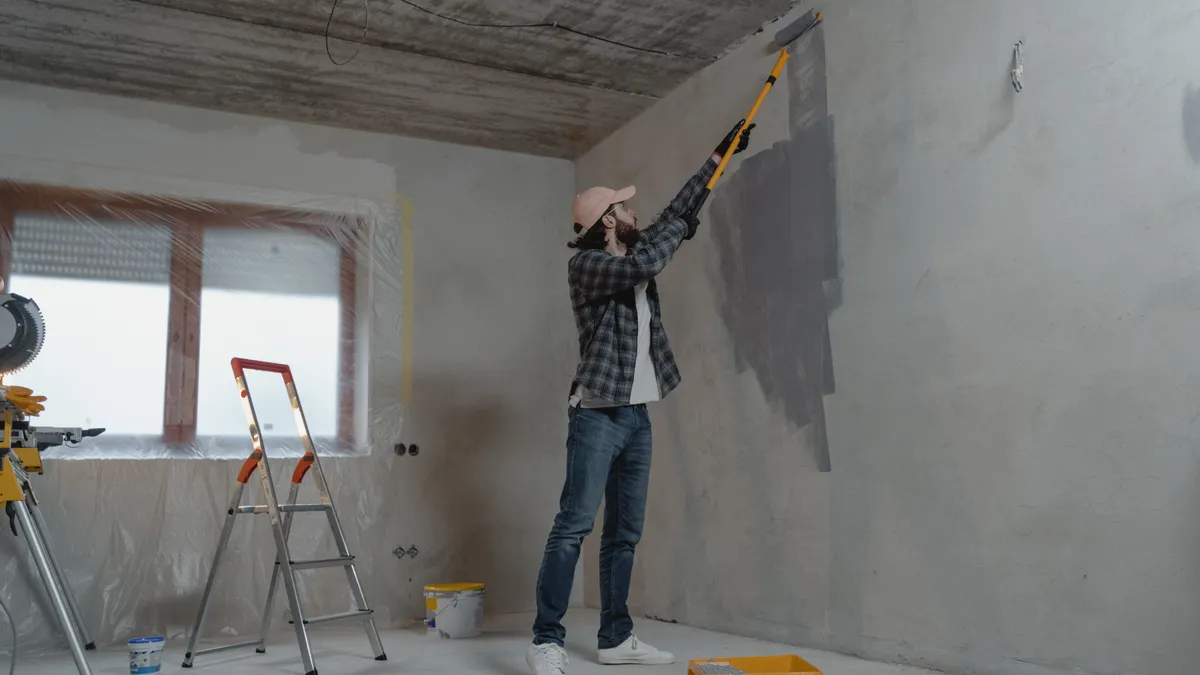
Tools and equipment coverage protects the handyperson’s gear when it is lost, stolen, or damaged away from the shop or vehicle. That matters because the value of the work often rides on small items: drills, saws, ladders, meters, levels, and hand tools.
This coverage is about the business’s own property, not the client’s. If a van is broken into at a jobsite and tools disappear, general liability usually does not solve that problem because nothing was damaged on the client’s side. The loss is yours, not theirs. Tools and equipment coverage is the part of the insurance picture that looks at replacing the gear needed to keep working.
The trade-off is simple. This protection can help with a theft or accidental breakage claim, but it may come with conditions about location, proof of ownership, or how the tools were stored. A policy can also be less useful if the gear is not described clearly enough for the insurer to understand what is being insured. If a reader is trying to decide how to handle scheduling versus blanket protection, that issue belongs on a different page. Here, the main point is that handypeople often need some form of cover for movable tools, because a jobsite is full of places where those tools can vanish in minutes.
The practical question is not whether the tools are “nice to have.” It is whether a missing saw or drill stops the next three jobs. For a freelance handyperson, that can be a cash-flow problem as much as an equipment problem.
How do on-site accidents change the risk?
On-site accidents change the risk because the work happens in other people’s spaces, around their belongings and their bodies. A ladder in a hallway, a wet floor, or a loose board near the work area creates exposure that can turn into a claim before the job is finished.
A handyperson should think in two buckets: injury and property damage. Injury includes a client, tenant, visitor, or neighbor getting hurt during the job. Property damage includes broken fixtures, gouged floors, cracked tile, or damage from drilling, cutting, hauling, or moving furniture. Bodily injury and property damage are the two terms that show up again and again in general liability language for a reason.
The claim often turns on timing and control. Was the hazard under the handyperson’s control? Was the area marked or blocked off? Was the work being done in a narrow room with limited access? These details matter because they affect whether the insurer sees the event as a covered jobsite accident or as something outside the policy terms.
A handyperson also needs to think about bystanders. A jobsite is not a closed workshop. The area may be controlled, but people still move through it. That is why many claims are not about “big” disasters; they are about ordinary tasks done in tight spaces with ordinary hazards. Children enter rooms. Pets move underfoot.
Insurance does not replace site control. It works after the event. The best policy choice still depends on the real-world setup of the job.
What should you check before you take a job?
You should check the policy language, the jobsite risks, and the handyperson’s own tool exposure before taking a job. That review should happen before work begins, not after the first claim.
- Check the main business activity listed on the policy. Verify that handyperson or repair work fits the described business and not a narrower trade label. If the description leaves out the kind of work you do, that is a problem because a claim can be challenged on mismatch.
- Read the property damage wording line by line. Because policy wording varies, consult a qualified adviser and look for how the policy treats accidental damage to floors, walls, cabinets, or fixtures. Verify that the language does not exclude the type of repair task you take on most often. A red flag is any wording that seems to narrow coverage for the exact on-site work you do.
- Check bodily injury treatment under the policy. Confirm that a client or visitor injured during the job fits the policy’s liability wording, and ask a qualified adviser if the wording is unclear. If injury is only partly described, or if the policy pushes most on-site events into exclusions, that is a problem.
- List the tools that leave the vehicle. Write down the tools, ladders, and power equipment that travel to jobs. Verify whether the policy treats them as covered business property. If the list is vague, theft claims can become harder to support.
- Match the cover to the jobsite type. Confirm whether the work is happening in homes, rentals, garages, basements, or exterior spaces. Different settings create different hazards, and a policy that fits one type of site may not fit another.
- Check whether subcontracting changes the picture. If another person helps with the job, verify whether that person’s work is inside or outside your policy terms. A gap here can leave the wrong person exposed when an accident happens.
- Review any contract language about insurance. If a client contract names coverage terms, compare them with the policy before accepting the work. If the contract asks for something the policy does not reflect, the problem is not cosmetic; it can become a claim issue.
The goal of this check is simple: make sure the policy fits the job before a drill bit touches the wall. A 10-minute review can reveal a mismatch that is expensive to find after the fact. If any answer is unclear, the safest next step is a qualified adviser who can interpret the policy terms for your situation.
When does standard guidance not apply?
Standard guidance does not apply when the job changes the risk in a way the policy was not built to handle. That happens in a few common situations.
High-value interiors: A job in a home with expensive floors, custom cabinetry, or specialty fixtures raises the cost of a mistake — the problem is not the size of the job, it is the size of the damage, so the policy wording needs a careful read.
Work that brings in extra people: If more than one worker is on site, the risk changes fast — one person can create a hazard for another, and the policy may treat that differently from solo work.
Jobs with regular public access: If the area is open to tenants, customers, or visitors, the chance of a bodily injury claim goes up — the job needs tighter site control and a closer look at liability wording.
Tool-heavy work away from the vehicle: If the equipment is left in a truck overnight or moved through shared areas, theft and damage exposure rise — the issue becomes how the policy defines business property in transit or on site.
Any contract that names insurance terms you do not understand: A contract can ask for coverage that sounds ordinary but has precise policy meaning — do not assume the wording matches what the client means.
These are not reasons to panic. They are signs that a generic answer is not enough. A handyperson doing routine fixes in a private home needs one sort of review, while a handyperson doing repeated work in occupied rental units may need a different one. The more the jobsite changes, the less useful a one-size summary becomes.
What mistakes do handypeople make most often?
The most common mistake is assuming general liability covers the tools too. It usually does not, because liability is about damage to others, not replacement of your own gear. The correct alternative is to check tool-specific business property protection.
A second mistake is reading the business name and skipping the exclusions. A policy can sound broad and still exclude specific repair types or site conditions. The alternative is to read the exclusion section first, then the summary page.
A third mistake is under-describing the work. If the policy says one thing and the real work is broader, a claim can become a coverage dispute. The better approach is to make sure the business description matches the actual on-site tasks.
A fourth mistake is ignoring bodily injury because “the job is small.” Small jobs still happen around stairs, cords, wet floors, and moving parts. The alternative is to treat every on-site setup as a liability setup, even for a 30-minute fix.
A fifth mistake is thinking theft only matters if the whole vehicle disappears. A break-in that takes one saw, one drill, and a few specialty bits can still halt work for a day or more. The better alternative is to review how the policy treats tools at a jobsite, in transit, and in storage.
A final mistake is waiting until a claim to ask what the policy means. That is the worst time to start reading. Policy language is not a repair manual; it is a contract, and the time to clear up confusion is before the work begins.
How do you decide what matters most?
You decide what matters most by looking at the two biggest losses for your kind of work: damage to a client’s property and loss of your own tools. For many freelance handypeople, general liability comes first because it addresses the outside claim, and tools coverage comes next because it addresses the business interruption risk.
If your work is mostly light repair, the core risk may be a dented wall, broken tile, or a trip hazard. If your work is more equipment-heavy, the core risk may be stolen drills, saws, and ladders. If your jobs often involve occupied homes or multi-person sites, the bodily injury side of the policy gets more important.
The best way to think about it is not “what is the cheapest policy?” It is “what loss would stop me from working next week?” A policy that ignores that question may look fine on paper and fail when the jobsite goes wrong.
That is why handyperson insurance is not a one-line answer. It is a small set of coverage choices built around real on-site exposure. Get the terms right, and the policy has a chance to do its job.
Do handypeople need general liability insurance?
Yes, most freelance handypeople need general liability insurance because the work creates property damage and bodily injury exposure on client sites. It is the main policy that deals with damage to someone else’s property or injury to a third party.
That does not mean every handyperson needs the same policy wording. The job type, site type, and contract terms still matter. A qualified adviser should review the exact business description and exclusions. For a policy overview, the SBA’s guide is a useful starting point: https://www.sba.gov/business-guide/launch-your-business/get-business-insurance.
Does insurance cover damage at a client’s property?
Often, general liability is the policy that may respond to accidental damage at a client’s property, but only if the event fits the policy terms. A cracked tile, damaged wall, or broken fixture may be covered if the damage comes from a covered jobsite accident.
The exact answer depends on exclusions, limits, and how the business is described. A policy can still deny a claim if the task falls outside the covered work. OSHA’s worker-safety pages at https://www.osha.gov/workers are a reminder that site control still matters before any insurance claim is filed.
What if my tools are stolen from a job site?
A theft from a jobsite usually points to tools and equipment coverage, not general liability. Liability insurance is for damage or injury to other people, not loss of your own gear.
The result depends on how the policy treats theft, where the tools were, and what proof is needed. If the loss is serious, the policy wording and the claims process matter as much as the theft itself.
Drafted with AI; not yet reviewed by a person.
